The Great Beverage Audit: What Your Coffee, Happy Hour, and Soda Habit Really Do to Your Hydration
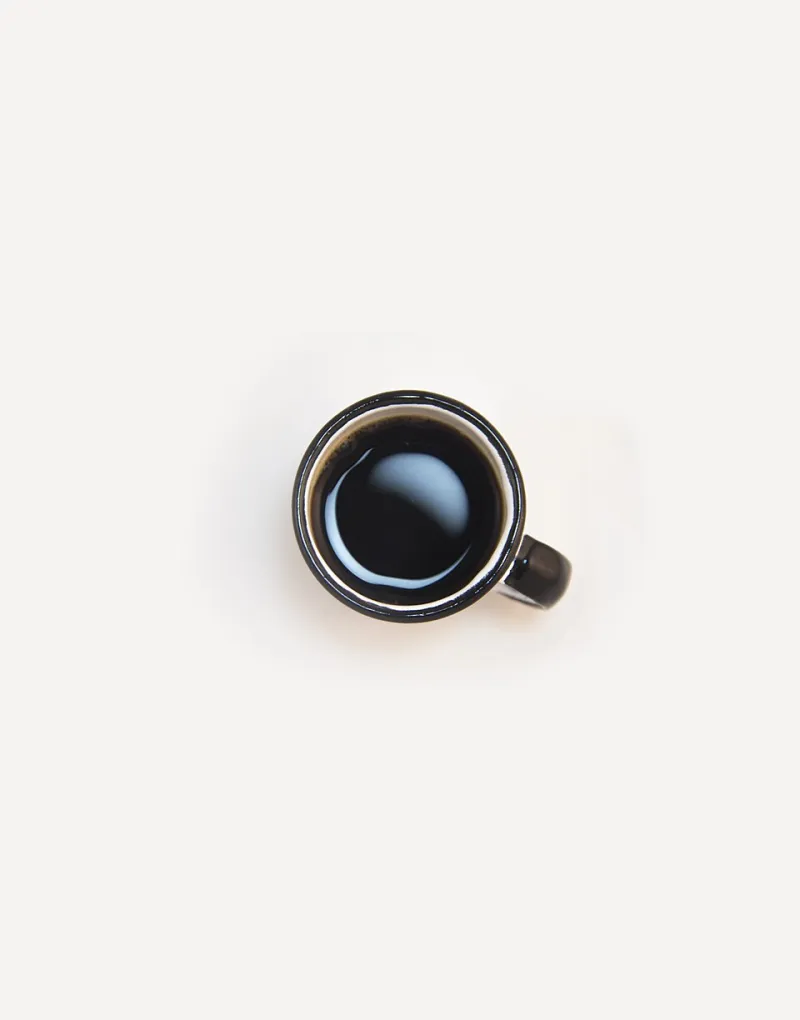
Photo: Ronaldo Arthur Vidal ronaldoav, CC0, via Wikimedia Commons
You've probably heard it a hundred times: coffee dehydrates you, so every cup needs a chaser of water. Meanwhile, that sparkling water with lunch feels virtuous, and the glass of wine at dinner is just a small indulgence. But when you actually look at the research on how common beverages affect your fluid balance, some of the folklore falls apart—and a few surprises show up where you least expect them.
Let's run a proper audit of what's in your mug, your can, and your glass.
The Caffeine Myth, Mostly Busted
Here's the thing about coffee: yes, caffeine has a mild diuretic effect. It nudges your kidneys to release a bit more fluid. But the water in the coffee more than makes up for that loss. Multiple studies comparing regular and decaf coffee found no meaningful difference in hydration status among regular coffee drinkers. Your body essentially adapts to routine caffeine intake, blunting the diuretic effect over time.
So if you drink two or three cups of drip every morning, you're not walking around in a deficit. You're actually net positive on fluids. The same logic applies to tea, which contains even less caffeine per cup and, in the case of herbal varieties, basically none at all. A mug of peppermint tea is just warm water with a pleasant personality.
Where caffeine can matter is at the margins. If you're already low on fluids—say, after a summer workout—and you down a strong espresso on an empty stomach, you're not helping yourself. Caffeine is best treated as neutral, not as a replacement for water.
Alcohol: The One That Earns Its Reputation
Unlike coffee, alcohol genuinely does work against you. It suppresses vasopressin, the hormone that tells your kidneys to hold onto water. That's why a night of beers sends you to the bathroom more often and why the morning after feels so rough—headache, dry mouth, fatigue are all hallmarks of dehydration plus some inflammation for good measure.
A rough rule of thumb: for every standard drink, your body can lose measurably more fluid than the drink itself provides. Wine, beer, spirits—it doesn't much matter which. Alcohol is the one beverage category where the "drink a glass of water alongside it" advice is actually backed by physiology, not just your mother's intuition.
Sugary Sodas: Not Dehydrating, Just Not Helping
Surprise: a can of Coke won't dry you out. Regular soda is mostly water, and the sugar doesn't pull significant fluid from your system the way alcohol does. The problem with soda is different—it's a missed opportunity. Twenty ounces of liquid that could be hydrating you is instead delivering 65+ grams of sugar and zero electrolytes. On top of that, research consistently links sugar-sweetened beverage intake to worse overall dietary patterns.
Diet sodas and zero-sugar energy drinks sit in a similar bucket: hydrating in the technical sense, but carrying caffeine loads that push them out of the "neutral" column and toward the "watch it" column.
Sparkling Water: Genuinely Fine
There's a persistent rumor that carbonation dehydrates you. It doesn't. The bubbles are just carbon dioxide, which has no meaningful effect on fluid balance. Plain or unsweetened sparkling water hydrates exactly as well as still water. If fizz is what gets you to drink more fluids throughout the day, lean into it. Just watch out for flavored sparkling waters with added sodium or sweeteners if you're tracking those things.
Your Daily Hydration Ledger
If you want a simple way to think about all this, borrow the accountant's mindset. Every drink either adds to your balance, subtracts from it, or sits at zero.
- Credits: Water, sparkling water, herbal tea, milk, decaf coffee
- Neutral: Regular coffee and tea (for habitual drinkers), diet soda
- Debits: Alcohol, high-caffeine energy drinks on an empty stomach
Then manage the ledger like you would a checking account. A practical routine looks like this:
- Morning: Start with a glass of water before your first coffee. You wake up mildly dehydrated after a night without fluids—don't stack caffeine on top of that.
- Midday: Keep a water bottle at your desk and aim to refill it twice before dinner. If you're a soda person, swap one can for sparkling water with lime.
- Evening: For every alcoholic drink, match it with a glass of water. Alternate, don't chase.
- Before bed: A few sips of water—not a full glass, unless you enjoy 3 a.m. bathroom trips.
The beauty of the ledger approach is that it doesn't demand perfection. Your happy hour still happens. Your morning latte stays sacred. You're just making sure the deposits outweigh the withdrawals by the end of the day.
The Bottom Line
Your coffee habit isn't sabotaging your hydration—science has largely cleared it. Your wine and beer habits are another matter, and your soda habit is less about dehydration and more about wasted hydration opportunities. Track your drinks for one honest week and you'll probably spot one or two easy trades that shift your balance into the green. That's not a diet. That's just good bookkeeping.