What That Cloudy Cube in Your Freezer Is Secretly Telling You
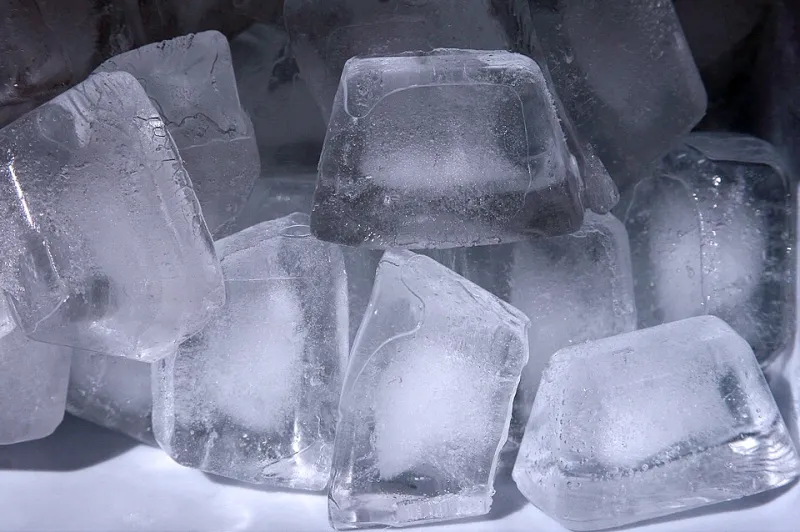
Photo: liz west, CC BY 2.0, via Wikimedia Commons
There's a detective story happening in your freezer right now, and most of us walk right past it every day. It involves a plastic tray, some cloudy cubes, and a quiet mystery: if ice is just frozen water, why does it look, taste, and sometimes smell nothing like water?
We checked in with the science — and with a few very opinionated freezers — to figure out what your ice is trying to tell you.
Why Your Ice Cubes Look Foggy, Not Crystal Clear
Restaurant ice has that glassy, see-through look. Your home ice looks like a tiny frosted window. The difference isn't a fancier freezer — it's air and minerals.
Here's what happens: when water freezes, it freezes from the outside in. Dissolved gases and minerals get pushed toward the center of the cube, where they get trapped as the middle finally solidifies. That cloudy core? It's mostly trapped air bubbles and concentrated dissolved solids like calcium and magnesium.
Two things are going on:
- Trapped air is harmless and mostly affects appearance. It's the reason the center of the cube is milky while the edges are clear.
- Dissolved minerals are typically harmless too, in the amounts found in most US tap water. Hard water areas — think parts of the Midwest, Texas, and Southern California — tend to produce ice with more visible mineral content.
Want clearer ice at home? Boil your water first, let it cool, then freeze it. Boiling drives off some of the dissolved gases. Or use filtered water and freeze slowly. Bartenders take this to extremes with directional-freezing kits, but for your iced tea, a boiled-water trick gets you 80% of the way there.
That White Residue Isn't Mold (Usually)
Ever pulled a tray out of the dishwasher and noticed chalky white spots or flakes on your cubes? That's mineral scale — the same stuff that crusts your kettle and spots your dishes in hard-water households.
It's generally safe. It's just calcium carbonate, the same compound in many antacid tablets. But heavy scale buildup is a signal: your tap water is on the hard side, and it might be worth checking your local consumer confidence report (your water utility publishes one annually — it's required by law) or considering a simple pitcher filter.
Actual mold on ice is rare but possible, usually when old ice sits in an ice bin or a tray gets neglected for weeks. If cubes come out with dark specks or a slimy film, toss the ice, wash the tray with hot soapy water, and run an empty cycle on your ice maker if you have one.
Why Freezer Ice Tastes Like... Freezer
Ice is surprisingly absorbent. Unsealed food in your freezer — that half-onion, the leftover pizza, the open bag of frozen broccoli — releases odor molecules that get absorbed directly into exposed ice cubes. Ice also picks up flavors from the freezer air itself, which is why three-week-old cubes taste stale even in a spotless freezer.
The fix is boringly effective: make fresh ice often, store it in a covered container or zip-top bag, and keep pungent foods sealed. If your ice tastes off even when it's fresh, an open box of baking soda in the freezer works the same magic it does in the fridge.
Is Tap Water Ice Safe to Eat?
For the vast majority of Americans, yes. Municipal tap water is regulated under the Safe Drinking Water Act and tested constantly. If you drink your tap water, ice from that same water is fine.
The exceptions worth knowing:
- Older homes with lead plumbing or solder. If you're in a pre-1986 house and haven't tested your water, do it — many water utilities offer free lead test kits.
- Private wells. Well water isn't federally regulated, so an annual test is smart if your ice cubes and drinking water come from the ground.
- Boil-water advisories. Freezing doesn't kill everything. If your area is under an advisory, use boiled or bottled water for ice until it's lifted.
Plastic, Silicone, or Stainless: Choosing Your Tray
The tray itself matters more than most people think.
Classic plastic trays are cheap and cheerful, but older or scratched-up plastic can hold onto odors and stains, and flimsy lids let freezer smells seep in. If yours is warped, cracked, or permanently onion-scented, retire it.
Silicone trays release cubes effortlessly and are generally considered a solid choice. Look for 100% food-grade silicone. The catch: silicone can absorb strong flavors over time, so a periodic wash with baking soda paste helps. Many also carry a slight initial odor that fades after a few wash cycles.
Stainless steel trays are the premium pick — durable, odor-proof, and essentially immortal. They cost more and cubes can be a knuckle-buster to remove (a few seconds at room temperature loosens them), but if you want a buy-it-for-life option, this is it.
Whatever you pick, wash it like a dish, not like a fixture. Trays are one of the most-neglected items in American kitchens — most of us can't remember the last time we actually cleaned one.
Your Ice Is a Free Water Quality Report
Here's the fun part: your freezer is quietly running a water test every day. Cloudy cores with heavy scale mean hard water. Off tastes with clean-looking cubes point to freezer odors or a stale tray. Cubes that never freeze clear even with filtered, boiled water might suggest it's time to look at a filter.
None of this means your water is dangerous — in most US homes, it isn't. But paying attention to your ice is one of the easiest, cheapest ways to stay tuned in to what's coming out of your tap. And since staying hydrated is a whole lot easier when your water (and everything floating in it) actually tastes good, a little ice quality goes a long way.
So tonight, pull out a cube and give it a look. It's been trying to tell you something for months.