Your Grocery Cart Is a Hydration Tool: Aisle-by-Aisle Foods That Do the Drinking For You
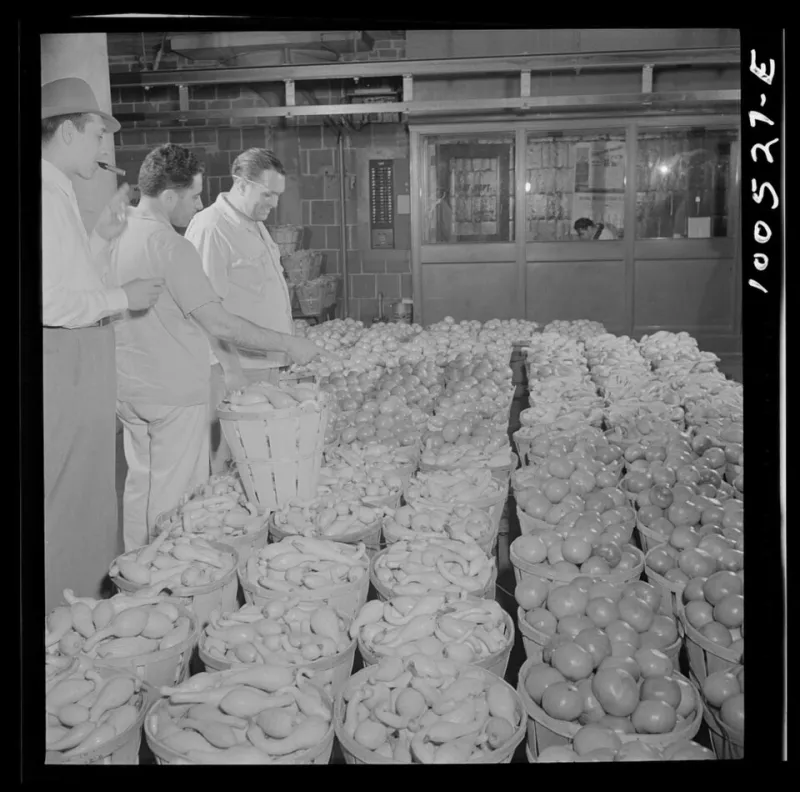
Photo: Marjory Collins, Public domain, via Wikimedia Commons
Here's a number that surprises almost everyone who hears it: the National Academies of Sciences estimates that about one-fifth of the average American's daily fluid intake comes from food, not beverages. Some researchers who've looked at population data think that figure runs even higher for people who eat lots of produce.
Yet when most of us think about hydration, we think about bottles. Tumblers. Electrolyte packets. We rarely think about the cucumber sitting in our crisper drawer, which is, technically speaking, about 96% water.
That's a missed opportunity — especially if you're someone who struggles to drink enough during a busy workday. Food-based hydration is slower, steadier, and comes packaged with potassium and other minerals that plain water doesn't provide. So let's walk the store together.
Why Food Hydration Counts More Than You Think
"The old advice to just chug eight glasses of water ignores how our bodies actually process fluids," says the general consensus among dietitians we've spoken with over the years. Water bound in food empties from the stomach more gradually than a glass of water does, which means a steadier supply of fluid reaching your cells rather than a quick rush followed by a bathroom trip.
There's also the mineral angle. Watermelon, oranges, leafy greens, and potatoes all deliver potassium — an electrolyte that works alongside sodium to keep fluid balanced inside and outside your cells. You can't sip your way to good potassium status; you have to eat it.
And practically speaking? If you've ever finished a big salad or a bowl of broth-based soup and noticed you weren't reaching for your bottle quite as often, that's food hydration doing its job.
The Perimeter Tour: Aisle by Aisle
Nutritionists have long suggested shopping the perimeter of the store, where the fresh stuff lives. Turns out that's also the hydration map.
Produce — your hydration headquarters. Cucumbers (96% water), iceberg and romaine lettuce (95–96%), celery (95%), zucchini, tomatoes, bell peppers, and watermelon (92%) are the heavy hitters. Citrus, berries, and melons are your sweet spot if you want fluid plus flavor. Pro tip: watermelon isn't just water — it's a legit source of potassium and a compound called L-citrulline that's drawn some interest in sports-science circles.
The dairy and eggs case. Milk is roughly 87% water and brings protein, calcium, and natural electrolytes along for the ride. Plain yogurt sits in a similar range, and cottage cheese is sneakily hydrating too. If you've written off milk as just a beverage, reframe it: it's one of the most fluid-dense foods in the store.
The soup and broth aisle. A bowl of broth-based soup can contribute 12–16 ounces of fluid in one sitting. Watch the sodium on canned varieties — though honestly, some sodium isn't the villain here, since it helps your body retain the fluid you're taking in. Low-sodium versions let you control the salt yourself.
Dry goods with a twist. Here's the sleeper pick: oatmeal. Dry oats absorb all the water or milk you cook them in, which means a morning bowl can quietly deliver a cup or more of fluid. Cooked grains, beans, and lentils behave the same way — they soak up cooking liquid and hand it back to you at lunch.
The freezer aisle. Frozen fruit is picked at peak ripeness and holds its water content well. Frozen peaches or berries blended into a smoothie are a hydration play disguised as dessert.
A Sample 'Hydrating Day' of Eating
Want to see what this looks like on a plate? Here's a realistic day where food alone covers a meaningful chunk of your fluid needs:
- Breakfast: Oatmeal cooked with milk, topped with fresh berries. (Fluid from the milk, the cooking water, and the fruit — easily 1.5 cups before you've had your coffee.)
- Lunch: A big salad with romaine, cucumber, tomato, and a citrus vinaigrette, plus a cup of broth-based vegetable soup.
- Snack: Orange slices or a wedge of watermelon; a cup of plain yogurt if you want staying power.
- Dinner: Grilled chicken with zucchini and a baked potato, plus a small side salad.
Add your normal coffee, tea, and water throughout the day, and you've built a hydration cushion before you've counted a single refill of your bottle.
The Bottom Line
Nobody's saying food replaces drinking water — it doesn't. Thirst, your activity level, and your local climate still call the shots on how much you should sip. But if your hydration strategy begins and ends with a bottle, you're working harder than you need to.
Next time you're pushing a cart through your local Kroger, Safeway, or Costco, treat the perimeter like a hydration aisle. Your body — and your bathroom schedule — will thank you.