Hangry or Just Dry? Decoding the Afternoon Crash Your Body Keeps Sending You
Photo: Marjory Collins, Public domain, via Wikimedia Commons
It's 2:47 PM. Your eyelids are heavy, your head feels foggy, and the vending machine down the hall is suddenly whispering your name. Most of us reach for a snack — a granola bar, a bag of chips, whatever's closest. But here's the thing: a surprising amount of the time, your body isn't asking for calories. It's asking for water.
And because the human thirst response is famously unreliable — it tends to show up late and speak in riddles — a lot of us spend our entire afternoon chasing the wrong fix.
Why Your Body Is Such a Bad Communicator
"Thirst is a lagging indicator," explains how many registered dietitians put it in plain terms. By the time you genuinely feel parched, you're already mildly dehydrated. Before that point, the signals get weirder: fatigue, irritability, a dull headache, trouble concentrating, even cravings — especially for salty or sweet foods.
There's a physiological logic here. Your liver releases stored glycogen into the bloodstream when you're dehydrated, which can trigger sensations that feel a lot like hunger. Your brain, meanwhile, isn't great at separating "I need fluid" from "I need food." Both signals route through the hypothalamus, and both can produce that vague, restless, something's-off feeling.
The result? Millions of Americans hitting the snack drawer at 3 PM when what they actually needed was 16 ounces of water an hour earlier.
The Five Faces of Disguised Dehydration
1. The fake hunger pang. True hunger builds gradually and almost anything sounds good. Dehydration "hunger" tends to hit suddenly and comes with a specific craving — usually salty or crunchy. A quick gut check: drink a glass of water and wait 15 minutes. If the urge fades, it was probably thirst.
2. The 3 PM brain fog. Studies on mild dehydration — even a loss of just 1–2% of body weight in fluid — show measurable dips in concentration, working memory, and reaction time. If your focus evaporates every afternoon like clockwork, look at your fluid intake before you blame your workload.
3. The mystery headache. Dehydration is a well-documented headache trigger, and the dehydration headache has a signature: it's often dull, generalized, and gets worse when you move, bend over, or look at a bright screen.
4. The yawn you can't explain. If you slept fine but still feel sluggish mid-afternoon, mild dehydration is a common culprit. Blood volume drops slightly, your heart works a little harder, and everything feels like wading through molasses.
5. The snack attack that never satisfies. Ever polish off a bag of pretzels and still feel off? Salty snacks actually pull water into digestion and can deepen mild dehydration — a loop that keeps you snacking without ever fixing the underlying problem.
Your 3 PM Decision Guide
So the slump hits. What do you actually do? Run through this sequence:
Step 1: Drink a full glass of water (8–16 oz) and set a 15-minute timer. This is the cheapest, fastest test available. Most mid-afternoon slumps resolve right here — no snack, no supplement, no caffeine required.
Step 2: Still dragging after 15 minutes? Eat a balanced snack. Pair protein with complex carbs — apple with peanut butter, Greek yogurt, a handful of nuts with fruit. If your last real meal was lunch at noon, genuine hunger is a reasonable explanation.
Step 3: Caffeine — but strategically. A small coffee or tea at 3 PM is fine for most people; just cap it so it doesn't wreck your sleep, and count it toward your fluid total. Coffee isn't the dehydration villain it's made out to be, but it's also not a substitute for water.
Step 4: Consider electrolytes — only if you've actually lost them. If you've been sweating through a workout, spent the afternoon in the heat, or had a few too many cocktails the night before, an electrolyte drink or packet can help you rehydrate faster than plain water. But for a desk worker who's just been staring at a spreadsheet? Plain water does the job, and extra sodium you don't need is just extra sodium.
A Quick Word on Your Pee (Yes, Really)
Forget the eight-glasses rule. The most honest hydration tracker you own is free and already installed: your urine. Pale straw or light lemonade color? You're in good shape. Dark apple juice? Drink up. Completely clear all day long? You might actually be overdoing it and flushing electrolytes.
Build the Habit Before the Slump
The real fix is prevention. A few tricks that work in real American offices and homes:
- Anchor water to existing habits — a glass when you wake up, one with lunch, one when you switch from work to evening mode.
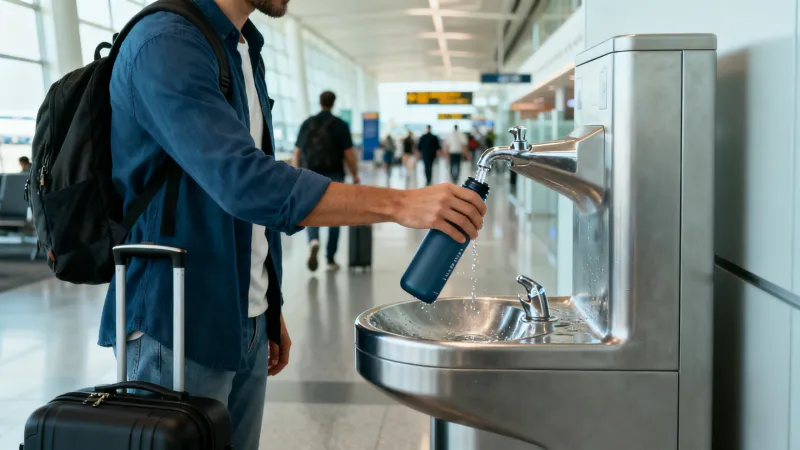
- Keep a bottle visible on your desk. Out of sight, out of mind is brutally true for hydration.
- Front-load your morning. Most people do great in the AM and then go silent from noon onward. Set a mid-afternoon phone reminder if you have to.
- Eat your water. Watermelon, cucumbers, oranges, and soup all count — a legit strategy on days when plain water feels boring.
The 3 PM slump isn't a character flaw, and it's not always hunger. Sometimes it's just your body's clumsy way of saying "fill 'er up." Learn to hear the message the first time, and you might find the vending machine loses its grip on your afternoons for good.