Six Hours Without a Sip: What Really Happens to Kids Between the Morning Bell and Lunch
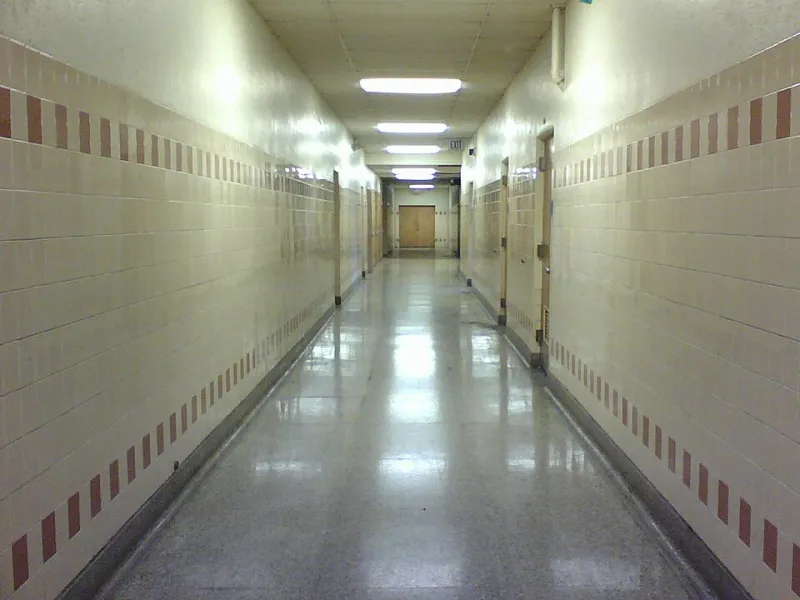
Photo: Matt Dempsey, CC BY-SA 2.0, via Wikimedia Commons
Ask your kid what they drank today and you'll probably get a shrug. Ask them when they last used the restroom at school, and you might get a more telling answer: 'I didn't want to ask.'
That little confession turns out to be a window into one of the most overlooked wellness problems in American education. Pediatric researchers have been flagging it for years: a huge share of school-aged children show up mildly dehydrated by mid-morning and stay that way until the final bell. Not because kids hate water — but because the school day is quietly engineered against drinking it.
The Math Doesn't Work
Run the numbers on a typical schedule. Passing periods run three to four minutes in most middle and high schools. A water fountain might be two hallways away. A bathroom break means asking permission, walking there, waiting in a line of six other kids, and getting back — all while a tardy slip looms.
Most kids do the rational thing: they skip it.
Add in fountain-avoidance (more on that in a second), rules that limit bathroom passes during class, and water bottles that are banned or 'discouraged' in certain classrooms, and you get a six-hour stretch where a growing brain runs on whatever it had at breakfast. For a 9-year-old, even 1–2% below optimal hydration is enough to measurably ding attention, working memory, and mood.
The Fountain Problem
Even when kids want water, the infrastructure often talks them out of it. Anyone who's toured an American public school knows the classic hallway fountain: lukewarm, weak arc, mystery stain, occasional gum hostage. Kids have strong opinions about these things. Surveys consistently show distrust of fountain cleanliness is a top reason students avoid them.
Many districts have leaned on bottle-filling stations — a genuine improvement — but coverage is uneven, and a station across the building might as well be across town when you have 240 seconds between classes.
What Thirsty Kids Look Like
Here's the part that surprises parents: mild dehydration in a classroom rarely looks like thirst. It looks like a fidgety kid who can't finish a worksheet. A headache complaint at the front office. The afternoon slump that gets labeled as attitude or laziness.
Pediatricians we spoke with describe a familiar pattern — by third period, teachers see the dip in focus; by lunch, the headaches and irritability show up. And because thirst is a lagging signal in children (they notice it later than adults do), a kid who 'seems fine' often isn't drinking enough either.
There's also a feedback loop worth knowing about: less water in means less need for the bathroom, which means fewer bathroom trips requested, which means kids learn that not drinking is the path of least resistance. The system trains them.
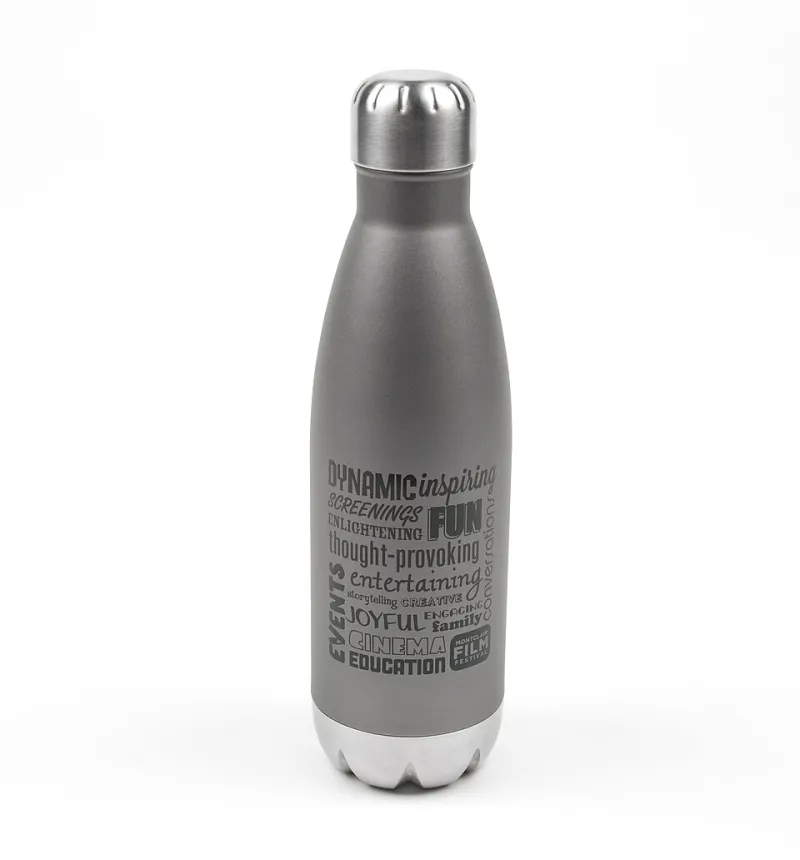
The Backpack Fix: Choosing a Bottle Kids Will Actually Use
You can't restructure the school day by Friday, but you can arm your kid. The right bottle matters more than most parents realize:
- Easy one-hand operation. If it takes two hands and a twist cap, it stays in the locker. Flip-straw or squeeze tops win.
- Visible fill lines. Kids are competitive with themselves. 'Did you hit the halfway mark by lunch?' works better than nagging.
- Insulated, but not precious. Cold water gets drunk; room-temperature water gets ignored. But skip the $60 status bottle — it will be lost by November.
- Leak-proof, actually tested. Throw a paper towel in there the first week. Trust us.
Pair the bottle with a morning routine: a full glass of water with breakfast buys them a buffer for the first few hours. And a hydrating lunch — fruit, soup, yogurt — does more heavy lifting than a second reminder text.
What to Ask Your School Board
If you want to fix the environment rather than just the kid, a few questions go a long way at a PTA or board meeting:
- Are water bottles allowed in every classroom, including labs and gyms? If not, why?
- How many functioning bottle-filling stations are there per enrolled student? (A reasonable benchmark is one per floor or wing.)
- What's the actual bathroom policy during class time? Vague 'as needed' rules often translate to 'rarely.'
- Is the water tested? Older buildings can have lead or copper issues — many states now require testing, but follow-through varies.
You'd be surprised how often a single informed parent question kicks off a station installation or a policy memo. Districts respond to specifics, not vibes.
The Bottom Line
A school day shouldn't be a dehydration challenge. The research is clear that hydrated kids focus better, behave better, and feel better — and the fixes are mostly cheap: open bottle policies, working filling stations, and bathroom rules written by people who remember being twelve.
Until then, the humble backpack bottle isn't just gear. It's your kid's portable permission slip to drink something before third period.