Low Sodium Everything: When America's Salt Aisle Purge Goes Too Far
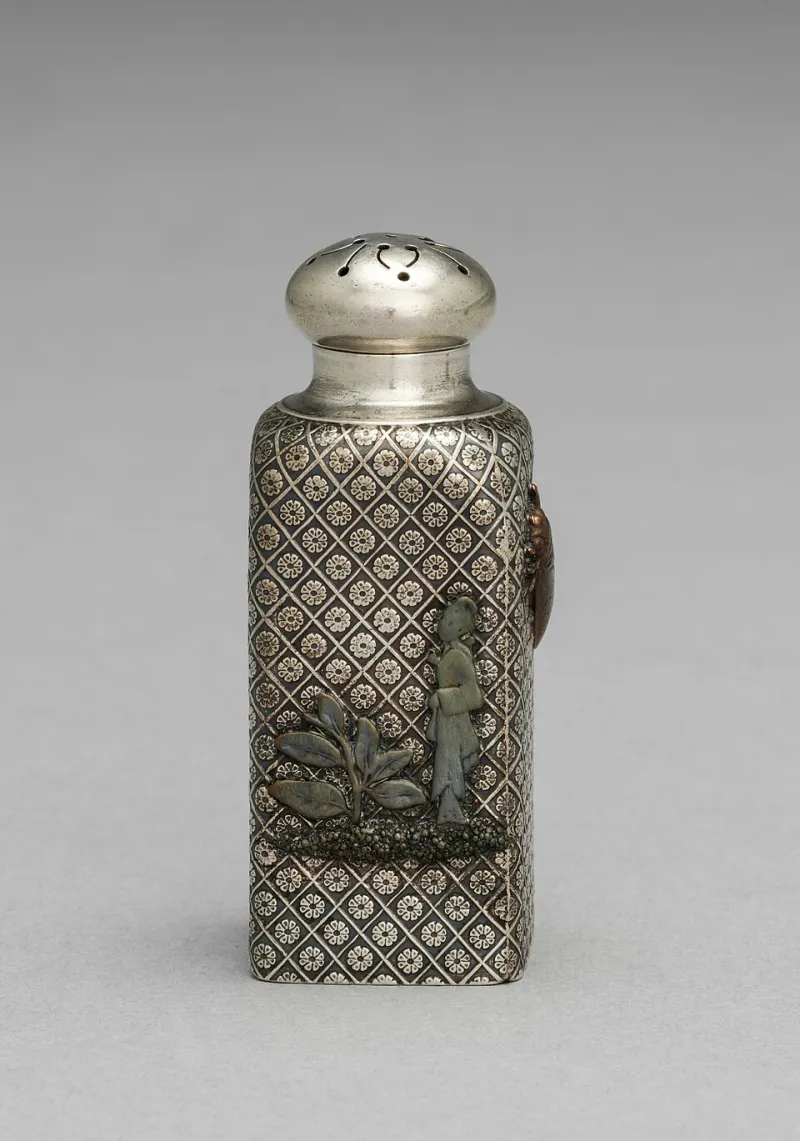
Photo: Unknown, CC0, via Wikimedia Commons
Walk down any grocery store aisle in America and you'll spot it: the little red banner, the proud label, the promise. Low sodium. It's become one of the most trusted health claims in the country, right up there with "whole grain" and "no added sugar."
And for good reason — mostly. The average American eats far more sodium than they need, and for people with hypertension, cutting back genuinely saves lives. But somewhere along the way, a nuanced guideline turned into a blanket commandment. And if you're an active person, a heavy sweater, an older adult, or someone who takes blood pressure medication, that commandment might be quietly working against you.
The Sodium Problem, Restated (Correctly)
First, let's be fair to the salt-free movement. The CDC estimates that most Americans consume around 3,400 milligrams of sodium daily — well above the recommended limit of about 2,300. Most of it hides in processed food, restaurant meals, and that deceptively innocent canned soup.
For roughly half the population, excess sodium contributes to elevated blood pressure, which raises the risk of heart attack and stroke. That's real. Nobody should read this and think the salt shaker gets a free pass.
The plot twist is what happens on the other end of the curve — the part rarely discussed on the label.
When Too Little Sodium Becomes the Problem
Sodium isn't just a flavor enhancer. It's the primary electrolyte in your blood, and it's what keeps water in the right compartments of your body — inside your cells, in your bloodstream, around your brain. When blood sodium drops too low, a condition called hyponatremia, cells literally swell with water. Mild cases cause headaches, nausea, and fatigue. Severe cases are a medical emergency.
You don't have to collapse to feel the effects, though. Dietitians consistently see a pattern in patients who've over-corrected:
- Persistent lightheadedness, especially when standing up quickly
- Fatigue that doesn't match your sleep or training load
- Muscle cramps during or after exercise
- Brain fog and low-grade headaches
- Drinking lots of water but never feeling quite right
That last one is the sneaky one. If you're following every hydration rule — 100 ounces a day, a bottle always in hand — while eating a aggressively sodium-restricted diet, you may actually be diluting your blood sodium rather than hydrating yourself. Water without electrolytes can pass right through you, taking sodium along for the ride.
Who's Most at Risk of Over-Restricting
Not everyone needs to worry. But a few groups should pay extra attention:
Endurance athletes and heavy sweaters. Sweat isn't just water — it's water plus sodium, and some people lose 1,000+ milligrams per hour in hot conditions. If you're running summer 5Ks in Atlanta, doing hot yoga in Austin, or working outdoors in Phoenix while eating a strict low-sodium diet, you're losing sodium faster than you're replacing it.
Older adults. Aging bodies handle sodium regulation less efficiently, and many common medications — certain antidepressants, diuretics, and blood pressure drugs — increase sodium loss. Add a low-sodium diet on top, and hyponatremia risk climbs. Studies of hospitalized older adults repeatedly flag low blood sodium as a common and under-recognized issue.
People on diuretics. If your medication is actively flushing sodium, deliberately restricting dietary sodium further is a conversation to have with your doctor, not a decision to make alone at the label shelf.
Well-meaning water guzzlers. Anyone drinking large volumes of plain water while eating very little sodium — think clean-eating enthusiasts loading up on whole foods, which are naturally sodium-poor — can drift toward the low end.
So How Much Do You Actually Need?
Here's where we have to resist giving you a single magic number, because the honest answer depends on your health, your medications, and how much you sweat.
The general target for healthy adults is under 2,300 milligrams per day — but that's a ceiling, not a challenge to hit zero. For most active, healthy people, landing somewhere in the 2,000 to 2,500 range with real food, plus a little extra on heavy-sweat days, is a reasonable middle path.
A few practical moves:
- Cut the processed stuff, not the cooking salt. The sodium in a homemade dinner you seasoned yourself is a rounding error compared to takeout or a frozen entrée. Direct your restriction at the label, not the stove.
- Match sodium to sweat. On days with serious sweating — long runs, hot-weather work, saunas — salty food or an electrolyte drink isn't indulgence. It's replacement.
- Don't pair extreme water intake with extreme salt restriction. Hydration is about balance, not volume. If you're drinking far more than you're losing, some of that water is just diluting your electrolytes.
- Talk to your doctor if you're symptomatic. Lightheadedness, cramps, and fatigue have many causes. A basic blood panel can tell you where your sodium actually stands.
The Bottom Line
Salt restriction is a powerful tool — for the people who need it. But nutrition in America has a habit of flattening individual guidance into universal rules, and sodium is the poster child. Your hydration strategy and your sodium intake are two ends of the same seesaw. Ignore one while optimizing the other, and you can end up feeling worse than when you started.
The goal was never zero salt. The goal is the right amount for your body, your medications, and your Tuesday afternoon run. Sometimes that means reading the label — and occasionally, ignoring it.