Your Pill Organizer Has Opinions About Your Water Bottle
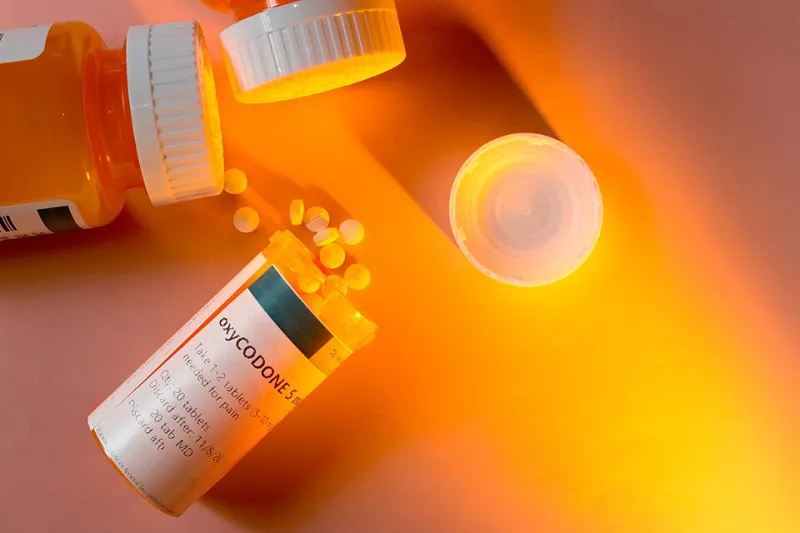
Photo: Cindy Shebley, CC BY 2.0, via Wikimedia Commons
You probably know your prescription list by heart. The water needs that come with it? Not so much.
"It's one of the most common blind spots I see," says Dr. Alicia Moreno, a family medicine physician in Phoenix. "Patients will tell me they're tired, dizzy, or foggy, and nobody — including them — connects it to the fact that they started a new medication three weeks ago."
Here's the thing: hydration isn't just about how much you drink. It's about how your body holds onto what you drink. And a surprising number of the most-prescribed medications in America mess with that equation.
The Usual Suspects
Diuretics, aka "water pills." Drugs like hydrochlorothiazide, furosemide (Lasix), and lisinopril combos are prescribed to tens of millions of Americans for high blood pressure and heart failure. Their whole job is to flush fluid — which also means flushing sodium, potassium, and magnesium. "A patient on a loop diuretic in July in Texas is a very different hydration situation than the same patient in October," Moreno says.
Antihistamines. That nightly Benadryl or the allergy med you take all spring? First-generation antihistamines are famously drying. Dry mouth, dry eyes, dry everything. They don't dramatically dehydrate you on paper, but they blunt the signals that tell you to drink.
Laxatives and GLP-1 drugs. Over-the-counter laxatives pull water into the gut. Newer weight-loss medications like semaglutide often cause vomiting and diarrhea early on — a genuine electrolyte risk, especially for older adults.
Some antidepressants and ADHD meds. SSRIs can cause inappropriate sodium drops (hyponatremia) in older patients, while stimulants like Adderall suppress appetite and thirst at the same time.
SGLT2 inhibitors for diabetes. These drugs make you urinate out glucose, which means more fluid loss than you'd expect.
Warning Signs That Get Written Off
Pharmacist Dana Whitfield, who runs a medication review clinic in Ohio, says the red flags get mislabeled constantly:
- Dizziness when standing up — blamed on "getting older" or blood pressure meds themselves
- Muscle cramps at night — blamed on potassium without asking why potassium is low
- Brain fog and irritability — blamed on stress, poor sleep, anything but water
- A dry, sticky mouth — blamed on the antihistamine, not the overall picture
"The medication causes the symptom, and then the symptom gets blamed on the medication," Whitfield says. "It's a loop nobody breaks unless somebody asks about fluids."
What To Actually Do
Nobody's saying chug a gallon jug — we've covered why that's overkill for most people. But if you're on any of the meds above, a few practical moves:
- Ask your pharmacist the hydration question directly. "Does this drug affect my fluid or electrolyte balance?" takes ten seconds and pharmacists love it. It's arguably their favorite question.
- Sip steadily instead of dosing water. Small, regular intake across the day beats two big chugs, especially on diuretics, where a big flood just triggers a big flush.
- Mind the seasons. Summer heat plus a diuretic is the classic setup for trouble. Older adults on these meds should be extra careful during heat waves — the CDC consistently flags this combo.
- Don't salt-substitute or supplement potassium on your own. Some blood pressure meds retain potassium; adding more can be dangerous. This is a "talk to your doctor first" situation, full stop.
- Watch the alcohol and caffeine stacking. If your meds already pull fluid, a boozy Saturday is compounding the problem.
When It's More Than Thirst
Call your provider if you experience confusion, a racing heart, muscle weakness, or significantly reduced urination — especially if you're older, on diuretics, and it's hot out. Those can signal a genuine electrolyte emergency, not a hydration habit to tweak.
The bottom line: your water needs aren't static, and neither is your prescription list. Every time a med changes, your fluid balance changes with it. Ask the question. Your pharmacist is waiting for someone to.