Midnight Charley Horses: The Real Story Your Sweat Told Earlier That Day
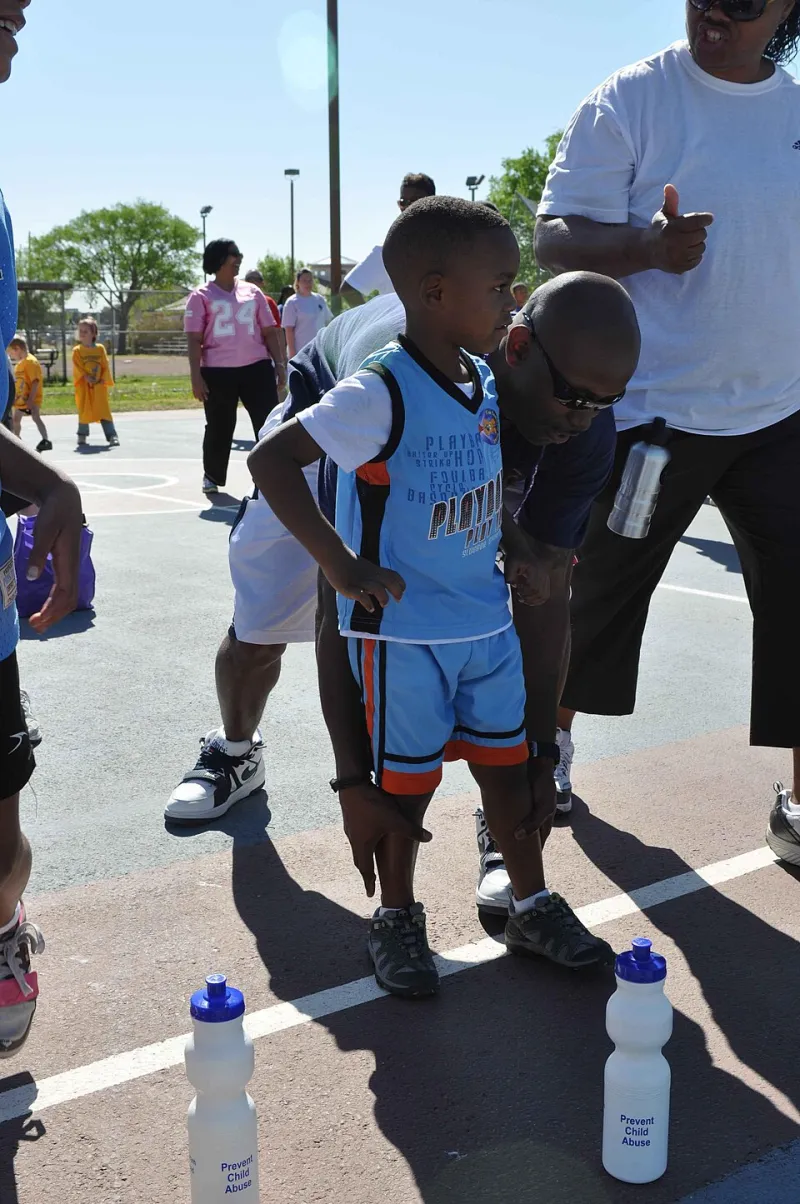
Photo: Sgt. 1st Class Brian Scott, Public domain, via Wikimedia Commons
It always happens the same way. You're dead asleep, and suddenly your calf contracts so hard you can see the muscle bulging under the skin. You're halfway to the floor before you're fully awake, hopping around a dark bedroom, breathing through your teeth, wondering what you did to deserve this.
Nocturnal leg cramps — the charley horses that ambush roughly one in three American adults — are among the most common complaints sports medicine physicians hear, and among the least understood. But a growing body of research points to a surprisingly mundane culprit: what you did with your fluids and electrolytes during the previous day.
The Sweat Ledger You Never Knew You Were Keeping
Here's the theory gaining traction among researchers: cramps aren't really a muscle problem. They're a nerve problem. When you lose sodium and fluid through sweat and don't replace them adequately, the nerve endings that tell your muscles when to fire get, in the words of one exercise scientist, "twitchy." The result is an involuntary, full-force contraction — often at rest, often at night, when there's nothing else competing for your body's attention.
Think of it as a ledger. A 5K on a humid July afternoon in Atlanta can cost you over a gram of sodium in sweat alone. Add a salty-avoidant diet, a couple of glasses of wine (a mild diuretic), and an air-conditioned bedroom, and by midnight the ledger comes due.
Wait, Isn't It Just a Potassium Deficiency?
Bananas have cornered the cramp-prevention market for decades, but the evidence is thinner than the peel. Potassium matters — it's essential for muscle cell function — but true potassium deficiency is rarely the driver in otherwise healthy people. Magnesium gets a similar reputation, and while supplements show modest promise for pregnant women, trials in the general population have been underwhelming.
Sodium is the underrated player. Most Americans consume plenty, but cramp-prone athletes, low-sodium dieters, and heavy sweaters — the "salty sweater" who leaves white streaks on a dark workout shirt — can genuinely run short. If your cramps cluster after sweaty days, that's a clue worth taking to your doctor.
The Pickle Juice Question, Answered
Yes, the folklore holds up — sort of. In lab studies, pickle juice relieved cramps faster than water, but not because of its electrolytes. The acetic acid in vinegar appears to trigger a reflex in the throat that calms overfiring nerves. So it works mid-cramp, not as prevention, and you'd need to sip it before bed for zero benefit. Magic? No. Weirdly legitimate? Yes.
Your Evening Anti-Cramp Checklist
A practical routine for cramp-prone readers:
- Front-load fluids, don't back-load them. Spread water across the day. Chugging 20 ounces at 10 p.m. mostly guarantees bathroom trips, not better hydration.
- Add sodium if you sweated hard. A salty dinner, broth, or an electrolyte packet after a heavy-sweat day helps replace losses.
- Stretch the trouble spots before bed. Thirty seconds of calf and hamstring stretching is one of the few interventions with solid evidence.
- Ease up on evening alcohol. It nudges fluid out right when you need it in.
- Check your meds. Diuretics and statins are known cramp contributors — flag it at your next appointment.
When It's Not Just a Cramp
Frequent, worsening, or one-sided cramps — especially in adults over 50 — deserve a medical look. Circulation issues, thyroid problems, and nerve conditions can masquerade as ordinary charley horses. Pregnant women experiencing severe cramping should also check in with their OB.
Your legs aren't being dramatic at 2 a.m. They're delivering a message. Most nights, the reply is simple: more fluid, smarter salt, and a little stretching before the lights go out.