From Phoenix Dry Heat to Denver Thin Air: Why Your Hydration Playbook Should Change With Your Zip Code
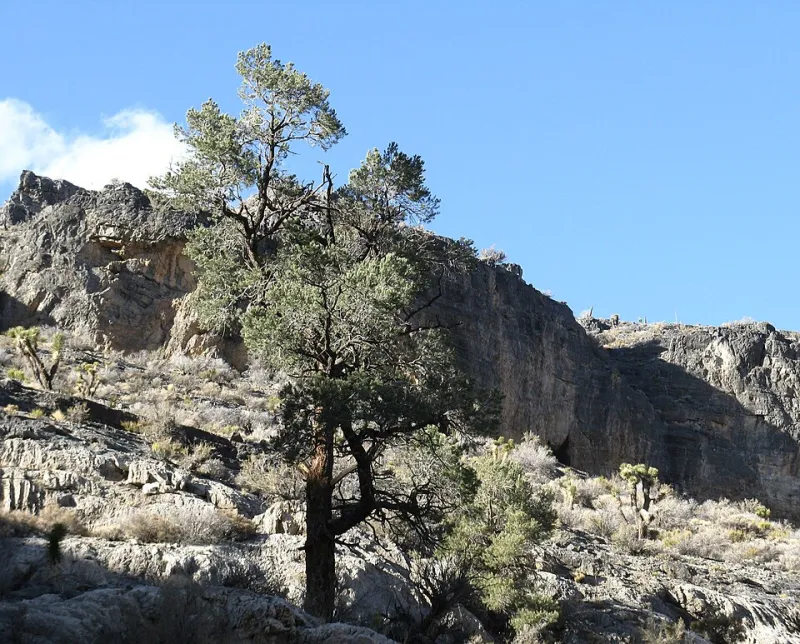
Photo: USFWS Pacific Southwest Region, Public domain, via Wikimedia Commons
Move from Seattle to Las Vegas and your body notices before you do. The same water bottle that carried you through a drizzly Pacific Northwest winter suddenly feels inadequate in air so dry your lips crack by lunchtime.
That's not in your head. Hydration science is messy and individual, but one factor gets stubbornly ignored by generic advice: where you live. We talked through the research on climate, altitude, and sweat loss to build a practical, region-by-region guide to drinking smarter — wherever your zip code happens to be.
Why Geography Messes With Your Fluid Balance
Your body loses water through three main exits: urine, breath, and sweat. Environment cranks up all three in different ways.
- Dry air steals moisture with every exhale and through your skin, even when you're not sweating visibly. In low-humidity climates, you can lose meaningful fluid without ever feeling soaked.
- Heat and humidity ramp up sweat rates dramatically. In humid Atlanta or Houston, sweat doesn't evaporate efficiently, so you drip more to get the same cooling effect.
- Altitude is the sneaky one. At elevation, you breathe faster and deeper, and the air is drier — a double whammy of respiratory water loss. Plus, altitude mildly suppresses thirst and increases urination in the first days after arriving.
Sports dietitians consistently point out that sweat rates can vary wildly between two people doing the same workout in the same city — and even more so between climates. A runner in Phoenix might sweat out twice what a runner in Portland does on the same July morning.
The Southwest: Desert Rules Apply
Phoenix, Tucson, Las Vegas, much of inland Southern California: this is evaporative-loss country. Humidity can drop into the single digits, which means sweat evaporates almost instantly. You may feel fine while quietly drying out.
The adjustment: Drink on a loose schedule rather than by thirst alone, especially May through September. Keep a bottle at your desk and in the car. And if you spend real time outdoors — hiking Camelback, working a construction site — pair fluids with a pinch of sodium, since you're losing salt along with water.
The Gulf Coast and Southeast: Humidity Changes the Math
From Houston to New Orleans to Atlanta, the problem flips. The air is so saturated with moisture that your sweat has nowhere to go. You'll notice it: heavy, drenched clothing after a short walk, that sticky summer feeling from June through September.
The adjustment: Your sweat rates here are genuinely higher during warm months, so plan additional fluids around any outdoor activity. Morning workouts help — pre-dawn in Atlanta is the only bearable hour in August. Electrolytes earn their keep during long outdoor sessions, but for a 30-minute gym stint, plain water still does the job.
The Mountain West: Altitude's Quiet Tax
Denver, Salt Lake City, Boise, Albuquerque, and everywhere above roughly 5,000 feet share a hidden fluid drain. Respiratory water loss climbs with elevation, and newcomers often skip the bathroom-breaking habit of drinking because altitude blunts thirst signals.
The adjustment: Visitors should deliberately front-load fluids for the first 48 to 72 hours — this is a big part of avoiding that rough first-day headache in Denver. Residents need less drama but should still remember that dry mountain air (especially with indoor heating in winter) keeps baseline losses higher than sea-level friends experience.
The Midwest and Northeast: Seasons Do the Work
Chicago, Minneapolis, New York, Boston — your hydration needs swing hardest with the calendar. Humid summers push losses up; frigid, bone-dry winters pull them down but add a twist: cold air is dry air, and you lose moisture breathing it. Plus, heavy winter layers can actually make you sweat during a snowy shoveling session or a winter run.
The adjustment: Think seasonally. In winter, don't let cold-weather thirst suppression fool you — heated indoor air is a slow leak. In summer, treat any heat wave like a temporary move to the Southeast and bump fluids accordingly.
The Pacific Northwest and Coastal California: The Easy Mode Zone
Mild, temperate climates are the most forgiving. Seattle, Portland, and coastal California rarely throw extreme sweat conditions at you. Your baseline needs are closer to the textbook averages — but the region's coffee-heavy culture and famously mild weather can lull people into drinking less than they should, especially when it's 60 and overcast for the fifth straight week.
The adjustment: Less correction needed, more consistency. Keep steady habits year-round and don't let gray skies trick you into skipping the water bottle.
How to Personalize This Without Obsessing
You don't need an app or a lab. Two checks do most of the work:
- Urine color. Pale straw means you're in range; dark amber means drink up. This simple gauge works in every climate.
- Weigh-in trick for workouts. If you're curious about your personal sweat rate, weigh yourself before and after an hour of exercise (sans bathroom break). Each pound lost is roughly 16–20 ounces of fluid to replace.
The Bottom Line
The eight-glasses rule wasn't written for someone sweating through a Houston August or adjusting to Denver's thin air — and it wasn't written for you specifically, either. Climate doesn't change the fundamentals: your body needs steady fluid, a little sodium when losses are heavy, and a habit you can actually keep. It just changes how much of each your zip code quietly demands.
Drink for the weather outside your window, not the one on the infographic.