That Tumbler You Carry Everywhere? A Microbiologist Would Like a Word
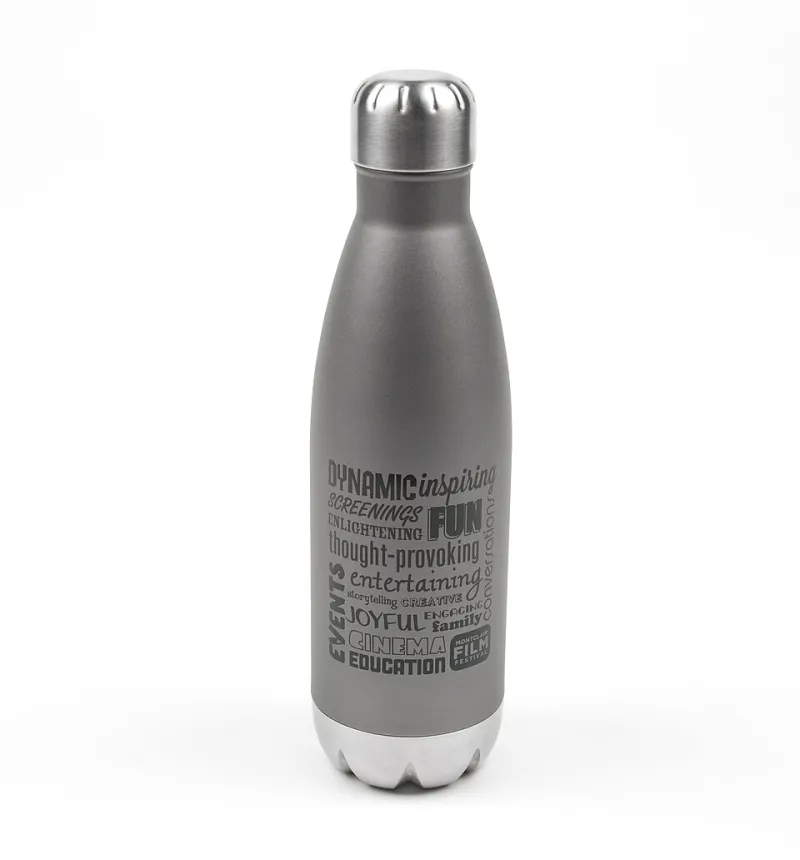
Photo: Montclair Film , CC BY 2.0, via Wikimedia Commons
Be honest: when was the last time you actually washed your water bottle? Not a quick rinse. A real wash, with soap, scrubbing, and hot water.
If you're like most Americans, the answer is probably "longer ago than I'd like to admit." In a 2023 survey of 1,000 people, nearly half said they don't clean their reusable bottle daily, and a chunk admitted to going a week or more without so much as a rinse. Meanwhile, those same people would never drink from a glass that sat unwashed on the counter for a week.
The problem has gotten more noticeable as oversized insulated tumblers have exploded into a cultural phenomenon. These bottles travel to spin class, sit on nightstands, ride in cup holders, and get topped off at office coolers — collecting bacteria the whole way.
What's Actually Growing in There
Microbiologists who've swabbed reusable bottles have found some eye-opening results. Studies have detected bacteria counts in the millions of colony-forming units per square centimeter on bottles that go unwashed for days — in some cases rivaling levels found on pet bowls.
Before you panic, a bit of perspective: most of these microbes aren't dangerous. They're mostly environmental bacteria and the kinds of oral flora already living in your mouth. "For a healthy adult, sharing a bottle with yourself is generally low risk," says one common refrain from hygiene researchers.
But there are exceptions worth caring about:
- Backwash plus warmth plus moisture creates a genuinely friendly environment for bacteria to multiply, especially in sugary or protein-shake residue.
- Mold tends to set up shop in lid gaskets, straw valves, and any crevice that stays damp. If you've ever spotted black specks in the seal of your lid, that's not a manufacturing defect — it's a colony.
- Sharing bottles — or letting kids swap them — raises the stakes considerably, since you can pass along strep, mono, or cold viruses this way.
The Bottle Hygiene Rankings, From Riskiest to Safest
Not all bottles are created equal when it comes to harboring gunk. Based on design flaws and how easily they can be cleaned, here's a practical hierarchy:
Highest risk: Straw lids and flip-top spouts. Straws are narrow, flexible, and full of joints where moisture pools and biofilm forms. The silicone valve that makes the lid "splash-proof" is also the hardest part to scrub. If you drink anything besides plain water through a straw lid, the risk multiplies.
Medium risk: Insulated tumblers with complex lids. The mega-popular 40-ounce tumblers often have multi-piece lids with threads, gaskets, and sliding covers. Great for keeping ice frozen in a hot car, terrible for thorough cleaning unless you disassemble them every time.
Lower risk: Wide-mouth screw-top bottles. A bottle with a simple cap and a wide opening is easy to scrub with a bottle brush, dries fully, and has few hidden crevices.
Safest: Anything dishwasher-safe and fully disassemblable. If every component can go on the top rack of your dishwasher and come apart completely, you've removed most of the excuses.
A Cleaning Schedule That Actually Makes Sense
You don't need to sterilize your bottle like a lab beaker. Here's a realistic routine:
Every day (water-only bottles): Empty it, give it a hot rinse, and let it air-dry with the lid off. Drying is half the battle — bacteria need moisture.
Every day (anything besides plain water): Full soap-and-hot-water wash. Protein shakes, juice, and electrolyte mixes leave residue that bacteria devour overnight.
Every 2–3 days minimum: Scrub with dish soap and a bottle brush, including the neck and threads. Wash straws with a dedicated straw brush or run them through the dishwasher in the utensil basket.
Weekly: Deep-clean the lid. Disassemble every piece, soak the gasket and valve in warm water with a drop of dish soap or a baking soda solution, and scrub with a small brush. An old toothbrush works well on threads and rubber seals.
When you smell or see trouble: Fill with a mix of white vinegar and water, let it sit for a few hours, then scrub and rinse thoroughly. For stubborn mold in gaskets, replace the gasket or the lid — most major brands sell replacement parts for a few dollars.
Design Flaws to Avoid Next Time You're Buying
The tumbler boom has brought some genuinely good design improvements, but plenty of bottles are still fighting you:
- Non-removable gaskets. If you can't pop the rubber seal out, you can't clean under it. Skip it.
- Straws with internal valves that can't be taken apart.
- Narrow necks with wide bodies — a classic shape that no standard brush reaches well.
- Lids with sliding covers that trap liquid in the track.
Look for bottles that advertise dishwasher-safe components, replacement gaskets, and fewer parts. Simple wins on hygiene.
The Bottom Line
Your bottle isn't doomed — it just needs the same basic respect you give your dishes. Rinse daily, scrub every couple of days, disassemble the lid weekly, and let everything dry completely between uses. And if your bottle has been riding around with a protein-shake film since last month? It might be time for a deep clean — or a graceful retirement.