Highway Dehydration Is Real: What 400 Miles of AC, Coffee, and 'Holding It' Does to Your Body
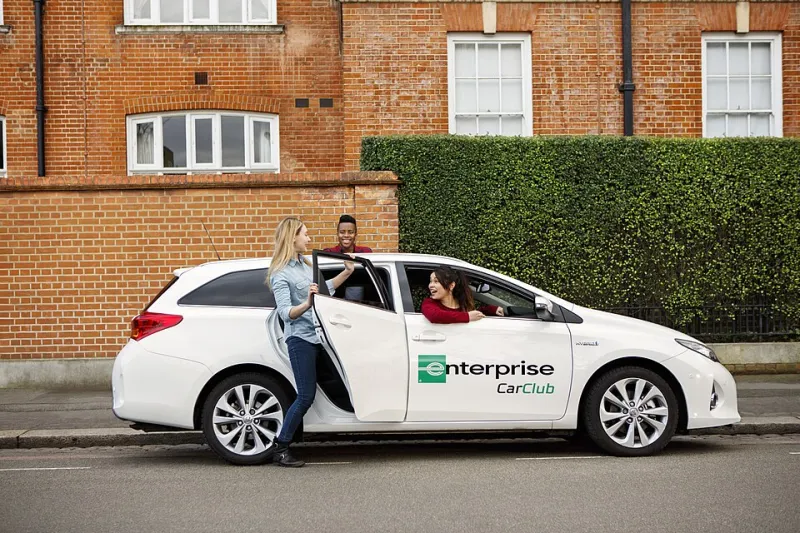
Photo: CarolineMarketing, CC BY-SA 4.0, via Wikimedia Commons
There's a specific kind of tired that shows up around mile 300. Your eyes feel gritty, your lower back aches, and your brain is running about two beats behind the conversation. Most of us blame the drive itself. A surprising amount of it, though, is dehydration — and the way we road trip in America practically guarantees it.
The Perfect Storm in the Cabin
Three things stack against you on a long drive, and none of them feel dangerous in the moment.
First, the air conditioning. That steady stream of cool, dry air pulling across the cabin is quietly wringing moisture out of you. Air in an AC-equipped car often sits well below the humidity your respiratory system prefers, so you lose water vapor with every exhale and never really notice. Over a six-hour stretch, that adds up.
Second, the gas station beverage run. It's usually a large iced coffee or an energy drink, because you're trying to stay alert through Kansas. Caffeine isn't the villain it's made out to be — a moderate cup doesn't drain you — but leaning on it all day while drinking little else tips the balance toward fluid loss, especially combined with leg-stopping hours in a seat.
Third, and biggest: the bathroom math. Nobody wants to stop every 90 minutes, so travelers consciously ration their water. Drink less, stop less. It's a rational strategy with a dehydrating outcome. Research on mild dehydration consistently shows it degrades alertness, reaction time, and mood — exactly the things you want sharp while merging onto I-95 in holiday traffic.
Why 'Chug at the Next Rest Stop' Backfires
The instinct is to tank up big at every stop. But your body can only absorb so much at once, and a large volume of plain water in one go mostly heads straight for the bladder. You get the bathroom break you were avoiding and little of the benefit.
What works better is steady, small intake plus a little help from sodium. Sodium is the electrolyte that actually holds water in your bloodstream rather than letting it run through you. This is the same principle behind oral rehydration solutions and, honestly, behind your grandma's soup. On the road, it means pairing your fluids with salty snacks instead of treating salt as the enemy.
The Cooler Strategy: Pack Like You Mean It
Here's the practical part. A small cooler in the back seat beats any water bottle strategy, because it turns hydration into grazing instead of gulping.
Fluids:
- One large bottle of water per person, sipped steadily — aim for a few swallows every 20 minutes or so
- A diluted sports drink or an electrolyte packet mixed into water, one per person mid-drive
- Skip the giant sodas; the sugar hit and the volume work against you
Salty, hydrating snacks:
- Pretzels or salted crackers (yes, on purpose)
- A bag of salted popcorn — lightweight and shareable
- Trail mix with salted nuts
- Pickle packs, if your crew will tolerate them; they're a sodium powerhouse
Water-rich foods that count as fluids:
- Grapes and orange segments in a container
- Cucumber and bell pepper strips
- Watermelon chunks, if you're driving somewhere warm
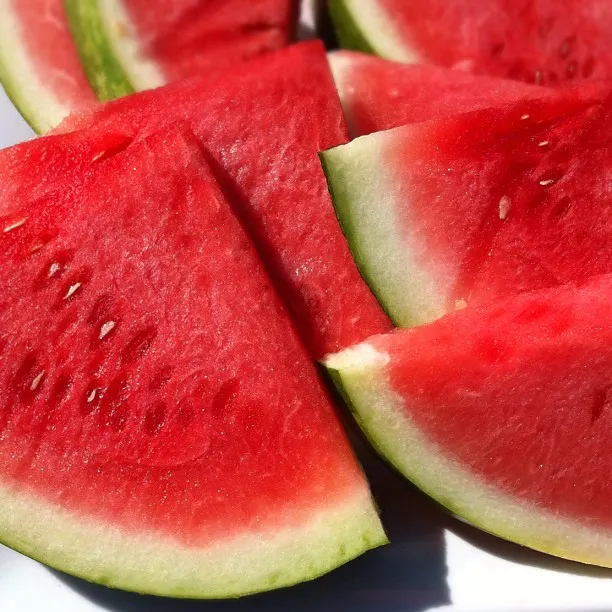
Fruit is the sleeper pick here. A big slice of watermelon is mostly water with a trace of potassium, and it delivers hydration slowly, which is exactly what you want in a car seat.
The Two-Stop Rule
If you're sipping steadily instead of chugging, you'll likely need a real stop every two to three hours anyway — which is also what safety experts recommend for fighting driver fatigue. Let the bathroom break double as a leg stretch and a mental reset. You arrive later by 20 minutes and arrive functional instead of foggy.
One last flag: summer heat changes the math. If you're driving through the Southwest with the AC fighting 105-degree outside air, or you're unloading the car in full sun at a rest area in Missouri, your fluid needs climb fast. Add an extra bottle and an extra electrolyte serving on those days.
The road trip water bottle isn't useless — it's just the wrong hero. The cooler, stocked with salt and fruit and sipped-all-day fluids, is what actually gets you there feeling human.