That Pee Chart Came From Elite Sports. You Are Not an Elite Athlete.
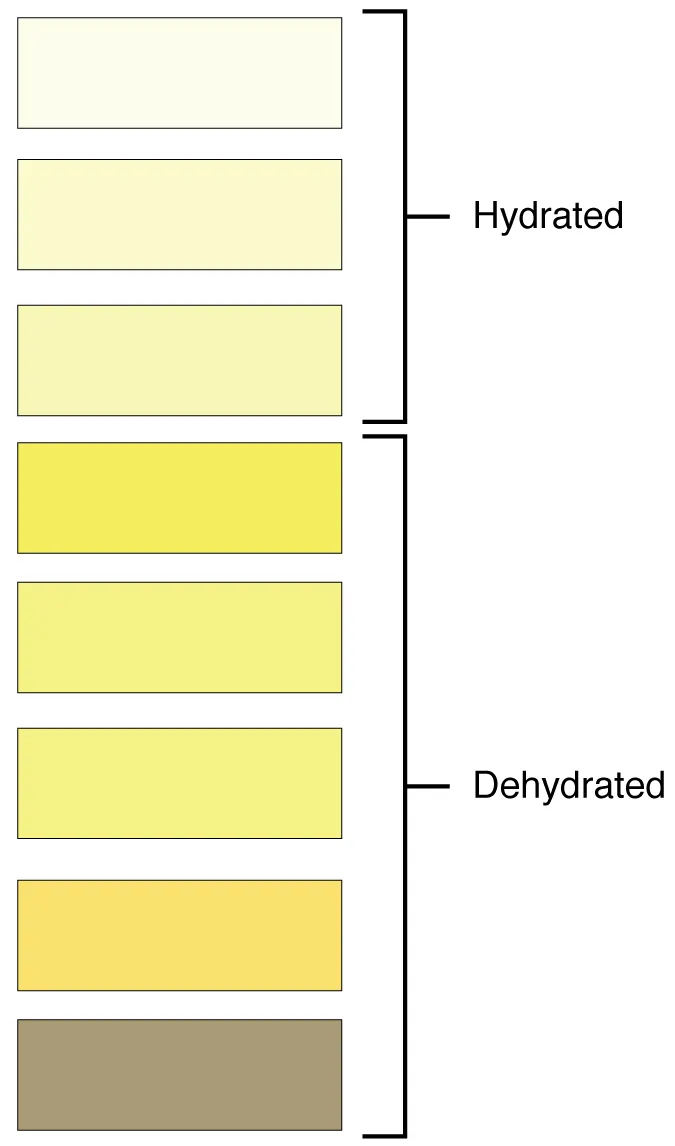
Photo: OpenStax College, CC BY 3.0, via Wikimedia Commons
Somewhere in your gym's locker room, taped to a mirror or laminated on a wall, there's probably a chart comparing your pee to a row of colored squares — lemonade to apple juice to something that resembles iced tea. The message is clear: match the pale yellow square and you're winning at hydration.
Here's the part the chart doesn't mention: it was designed for a very specific crowd — endurance athletes monitoring sweat losses during training — and it's now being sold to everyone from remote workers to retirees as if it were a vital sign.
The market for "hydration intelligence" has exploded. Urine color cards ship with every electrolyte starter kit. Smart bottles with sensors promise to track every sip. At-home test strips claim to read your mineral status from a bathroom cup. It all sounds scientific. Most of it, researchers say, is answering a question you didn't need to ask.
Where the Chart Actually Came From
The urine color scale most products borrow from was developed by sports scientists studying athletes in labs and field conditions — people running miles in the heat, losing liters of sweat, and needing a quick visual proxy for dehydration between weigh-ins.
In that context, it's a legitimately useful tool. A dehydrated endurance athlete's urine gets darker and more concentrated, and coaches needed something faster than a blood draw.
But the scale was never meant to diagnose the hydration status of a guy who walked his dog around the block. "For everyday people eating a normal diet, urine color is a rough signal at best," is the consensus you'll hear from sports medicine researchers — and even that assumes ideal conditions.
Why Your Morning Reading Is Basically Noise
A handful of everyday realities throw the chart off before you even look at it:
- Vitamins and supplements. B vitamins — in your multicolor morning capsule or your energy drink — turn urine bright yellow no matter how hydrated you are. People panic about dehydration while their body is perfectly fine.
- Beets, carrots, and fava beans. Food pigments can shift urine color dramatically in either direction.
- Certain medications. Everything from some antibiotics to laxatives can darken or discolor urine.
- Timing. First thing in the morning, everyone's urine is darker because you've gone hours without fluids overnight. That's normal, not a crisis.
- How much you drank right before. Chug 20 ounces of water and your next sample will look pristine — whether or not you needed it.
In other words, the chart measures what recently passed through you, not your overall hydration status. Researchers call it a lagging, easily confounded indicator. Marketers call it a feature.
The Smart Bottle Problem
Sensor-equipped bottles are the pricier end of this trend, promising to track your intake and nudge you when you fall behind. There's nothing wrong with a reminder to drink — plenty of busy Americans genuinely forget. But the "optimal hydration" targets these apps generate deserve skepticism.
Fluid needs vary wildly based on body size, climate, activity, and diet — a construction foreman in Houston in July and an accountant in Seattle have almost nothing in common. A blanket recommendation from an app, researchers note, often overshoots what a sedentary person needs, which mostly means you'll be making extra trips to the bathroom. The bottle knows what you drank. It has no idea what you actually needed.
And the test strips claiming to reveal your "electrolyte levels" through urine? Your kidneys regulate sodium and potassium in blood with remarkable precision. Urine electrolytes mostly tell you what your body decided to get rid of. That's a waste product report, not a wellness dashboard.
What the Pros Watch Instead
When sports medicine researchers assess hydration in real-world settings, they tend to look at a combination of simple signals — and here's the good news: you can run the same check yourself, free, in under two minutes.
- Thirst. It's a genuinely reliable guide for most healthy adults. If you're consistently thirsty, drink more. If you're not, don't force it.
- Urine color — with context. Use the chart as a rough trend over days, not a single-reading verdict. Ignore the bright yellow after your vitamin. Pale straw color most of the day is fine. Consistently dark despite drinking? Worth attention.
- How you feel. Persistent headache, fatigue, dizziness on standing, dry mouth — those symptoms mean more than a color square.
- Body weight shifts during exercise. The one place the pros get precise: weighing in before and after long, sweaty workouts. Roughly a pound lost equals about 16 ounces of fluid to replace.
That's it. No app, no strips, no subscription.
When Testing Actually Matters
To be fair, there are situations where real medical hydration monitoring earns its keep — diagnosed kidney disease, heart failure, certain medications like diuretics, or genuine heat illness risk. If a doctor has told you to track fluids, do it, with their guidance and actual lab work.
But for the average American reading this between meetings? Your body shipped with a hydration monitoring system that outperforms anything on a product page. It's called thirst, it's backed by a sophisticated kidney-based feedback loop, and it doesn't require Wi-Fi.
The urine chart isn't exactly lying to you. It's just answering a question designed for marathoners in a heat lab — and charging you for the privilege. Save the money for something your body actually needs: a decent water bottle you'll refill a few times a day, and maybe a bag of those salted almonds you've been eyeing.