The Volleyball Mom, the Night Nurse, and the Marathoner: Same Advice, Three Totally Different Thirsts
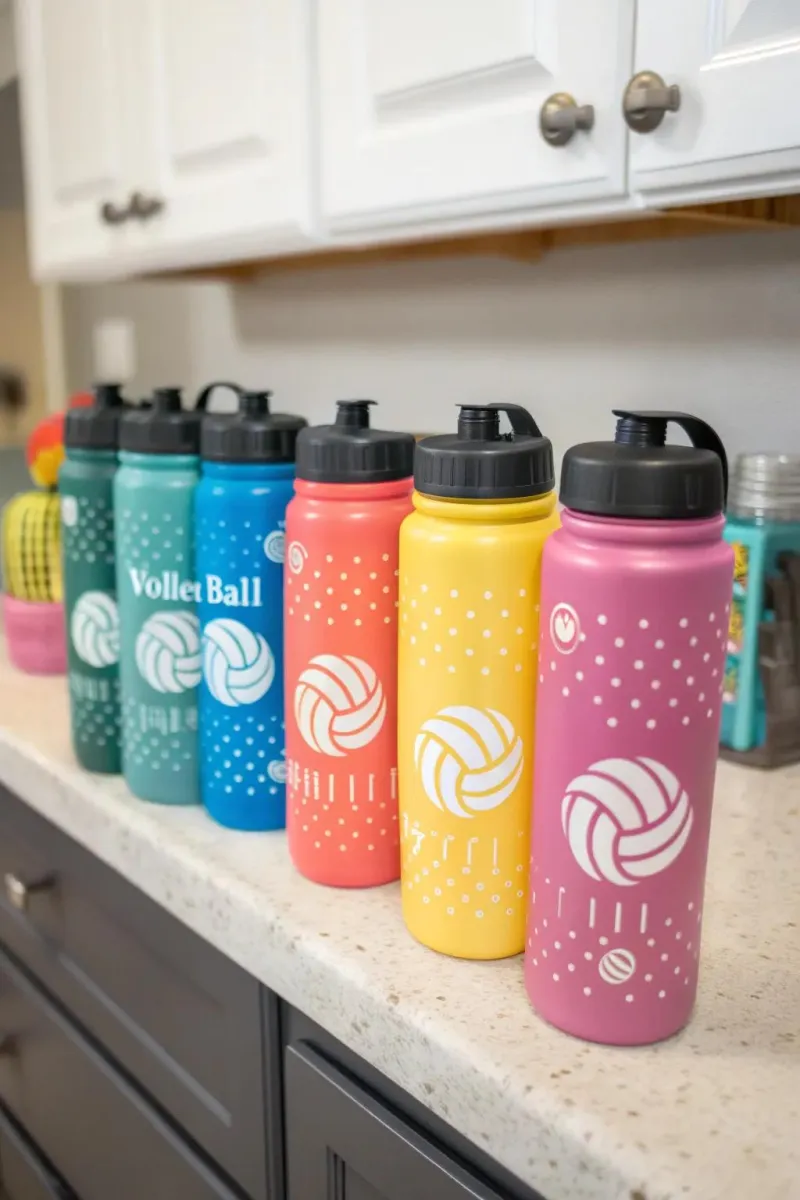
Photo: three diverse Americans water bottles volleyball mom nurse runner lifestyle, via casolia.com
There's a certain kind of advice that gets repeated so often it stops sounding like advice and starts sounding like gravity. 'Drink eight 8-ounce glasses of water a day' is one of them. It's printed on wellness blogs, repeated in waiting rooms, and stitched into the cultural fabric of American health — and it's also almost useless once you look at how people actually live.
Consider three people you probably know.
There's the mom who's been up since 5:30 a.m., coffee in one hand, car keys in the other, shuttling a kid to a 7 a.m. volleyball tournament two counties over. There's the nurse finishing a 12-hour night shift, her internal clock flipped upside down, drinking her 'morning' water at 11 p.m. And there's the weekend marathoner who just ran 16 miles in humid August air and lost what feels like a pound of sweat doing it.
All three have been told to drink the same amount of water. All three have wildly different needs. Let's untangle why.
The 6 A.M. Sports Parent: Hydration on Someone Else's Schedule
The early-morning sports parent has one of the most underrated hydration problems in America: no time. Mornings are a sprint — coffee, breakfast, carpool, bleachers. By the time she notices she's thirsty, it's usually noon, and she's already running on a 10-hour deficit that started the night before.
Here's the thing about coffee: that first cup isn't the villain it's made out to be. Moderate caffeine has a mild diuretic effect at most, and the fluid in the coffee still counts. The real issue is what coffee replaces — namely, the water she isn't drinking while wrangling kids and sideline snacks.
Her playbook:
- Front-load before the chaos. A glass of water when she wakes up, before the coffee, covers the night's losses and buys her a buffer.
- Treat the water bottle like car keys. It goes where she goes. A 20-ounce tumbler refilled twice before dinner quietly covers most of her day.
- Don't fear a pinch of salt. If she's a light eater who skips meals on tournament days, a little sodium in her morning fluid helps her actually hold onto it.
Her total? Probably 2 to 2.5 liters a day, give or take. Nothing exotic. Just timing.
The Night Nurse: When Your Body Clock and Your Water Bottle Disagree
Shift workers live in a physiological gray zone. Research on rotating-shift nurses consistently shows disrupted thirst signals, altered kidney function, and eating patterns that would confuse a nutritionist. When your 'day' starts at 7 p.m., your hydration cues get scrambled along with everything else.
Add the realities of hospital work — limited bathroom breaks, dry climate-controlled air, and the de facto hydration station known as the break-room coffee pot — and you get a workforce that's chronically running dry without realizing it.
Her playbook:
- Anchor hydration to her wake-up, not the clock. A big glass of water when she gets up at 4 p.m. matters more than what time it says on the wall.
- Watch the caffeine window. Coffee at the start of a shift is fine; coffee at 3 a.m. sabotages both sleep and fluid balance.
- Plan bathroom breaks like a strategy, not a luxury. If she's 'holding it' all shift, she's unconsciously drinking less. That's a recipe for the headaches and brain fog so many night-shift nurses know well.
- Electrolytes earn their keep here. Long shifts, warm units, and mask-wearing add up. A low-sugar electrolyte mix during the shift beats another vending-machine soda.
The Marathoner: Sweat Rate Is a Number, Not a Vibe
Our runner is the one person of the three who genuinely needs to think about hydration like a math problem. Sweat rates vary enormously — anywhere from half a liter to over two liters per hour of hard running, depending on the person, the weather, and the pace.
The classic mistake isn't under-drinking during the run; it's over-drinking plain water afterward, which can dilute blood sodium. Exercise-associated hyponatremia — dangerously low blood sodium — has shown up in recreational marathoners who followed 'drink as much as you can' advice a little too enthusiastically.
His playbook:
- Weigh in, weigh out. Weighing before and after a long run is the low-tech gold standard. Roughly a pound lost equals about 16 ounces of fluid to replace — plus a bit extra.
- Salty sweaters, take note. White streaks on a dark singlet after a summer run are a clue: that runner loses more sodium than average and benefits from electrolytes, not just water.
- Rehydrate over hours, not minutes. The kidneys can only process so much at once. Spreading recovery fluids across the afternoon beats chugging a liter at the finish line.
The Common Thread (It's Not the Number 8)
Strip away the specifics and one principle survives all three stories: hydration schedules should follow your body's actual demands — sleep, sweat, and schedule — not a one-size-fits-all number.
The sports parent needs convenience and timing. The night nurse needs rhythm reset and deliberate breaks. The marathoner needs math and sodium. Handing all three the same '8 glasses' rule is like giving them all the same prescription at the pharmacy.
The good news? Your body gives you feedback for free. Urine that's pale straw-colored is the simplest, cheapest hydration check available. Thirst, energy, and headaches fill in the rest.
So the next time someone hands you the same water advice they give everyone else, remember the volleyball mom, the night nurse, and the marathoner. The best hydration plan isn't the one in the textbook. It's the one built around your Tuesday.