Watermelon With a Salt Shaker: The Old-Fashioned Rehydration Hacks Science Finally Took Seriously
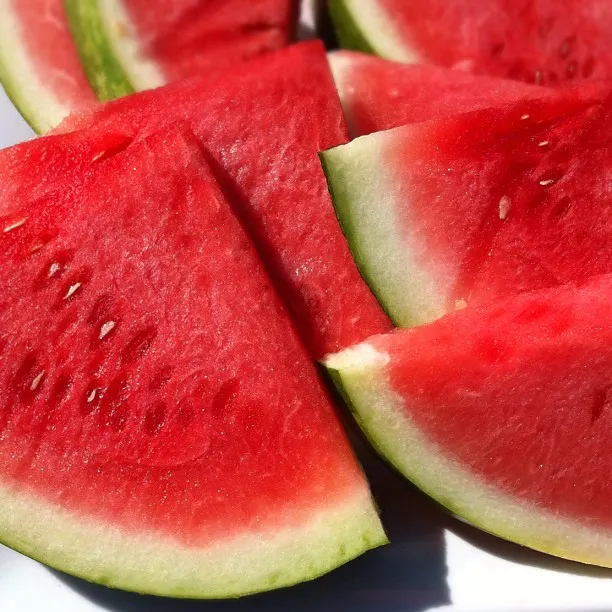
Photo: Kathleen Enge from Orange County, CC BY 2.0, via Wikimedia Commons
Ask anyone who grew up around a Southern porch or a Midwest farm field, and they'll tell you the same thing: somebody's grandmother was salting watermelon slices before the first sports drink ever hit a locker room. Turns out, she wasn't just being quirky. She was doing electrolyte replacement — she just didn't have the vocabulary for it.
Here at BeliFin Hydration, we love a good lab study as much as anyone. But sometimes the best hydration advice comes with a little nostalgia attached. So let's crack open the family recipe box and see which old-school rehydration tricks actually hold up under modern scrutiny.
Why Salt and Fruit Made Sense All Along
When you sweat, you don't just lose water. You lose sodium, potassium, and a smattering of other minerals. Plain water replaces the fluid but leaves the minerals behind — which is exactly why chugging tap water after a brutal July afternoon mowing the lawn can leave you feeling weirdly worse.
Our great-grandparents didn't know the term "sodium-potassium balance," but they knew the feeling. So they paired fluids with minerals:
- Salted watermelon — potassium-rich fruit plus a pinch of sodium
- Salted limeade or lemonade — citrus fluids with a sodium boost
- Pickle juice and brine — basically a concentrated sodium shot
- Buttermilk in the heat — a rural standby for a reason
Every one of those combos delivers fluid plus electrolytes. That's the entire pitch behind the $3 bottles in the gas station cooler, minus the marketing budget.
What the Research Actually Says
Modern sports science has quietly validated a lot of these folk methods. Sodium is the star electrolyte for rehydration because it helps your body hold onto fluid instead of just processing it straight through. Studies on oral rehydration solutions — the medical kind used for serious illness — consistently show that a modest amount of sodium and sugar dramatically improves how quickly fluid is absorbed.
Watermelon, meanwhile, is roughly 92% water and packs a legitimate potassium punch. A 2010s-era study from Spain even found that watermelon juice helped reduce muscle soreness in athletes. Add a pinch of salt and you've essentially built a natural sports drink with fiber and antioxidants thrown in as a bonus.
And pickle juice? Believe it or not, it's been studied for muscle cramps, with some research suggesting it may relieve cramping faster than water alone — possibly through nerve receptors in the mouth rather than any electrolyte magic. Grandmas everywhere are nodding smugly.
Three Revival Recipes, Tested in Our Kitchen
We made these ourselves, taste-tested them around the office, and priced them out. Total cost per serving: pennies. Compare that to a tub of electrolyte powder and try not to wince.
Salted Watermelon Cooler
- 2 cups fresh watermelon chunks
- 1/8 teaspoon fine sea salt
- Squeeze of lime
- Ice
Blend everything except the ice, pour over it, and done. Verdict: tastes like summer with a subtle savory edge that grows on you fast.
Grandma's Salty Limeade
- Juice of 2 limes
- 1 tablespoon honey or sugar
- 1/8 teaspoon salt
- 16 oz cold water
Stir until dissolved. This one scored highest in our office taste test — bright, tart, and genuinely refreshing after a workout.
The Brine Shot (For the Brave)
- 1–2 oz pickle juice, straight
An acquired taste, to put it charitably. But if cramps hit mid-hike or mid-softball-game, plenty of athletes swear by it — and the science on cramp relief is more supportive than you'd expect.
A Few Honest Caveats
We're fans of these tricks, but let's keep it real:
- Sweat heavily for hours? You may need more sodium than a pinch provides. Endurance athletes have higher needs than casual exercisers.
- Watch blood pressure. If you're on sodium restrictions, talk to your doctor before leaning on salty rehydration methods.
- Serious dehydration is medical. Folk remedies are for everyday sweating, not heat illness. Know the difference.
The Takeaway
The sports drink industry didn't invent electrolyte replacement — it just packaged it, flavored it, and put a pro athlete on the label. The salt shaker and the fruit bowl were doing the job generations earlier.
So next time you slice open a watermelon, do what grandma did. Add a tiny pinch of salt. Your muscles — and your wallet — will thank you.