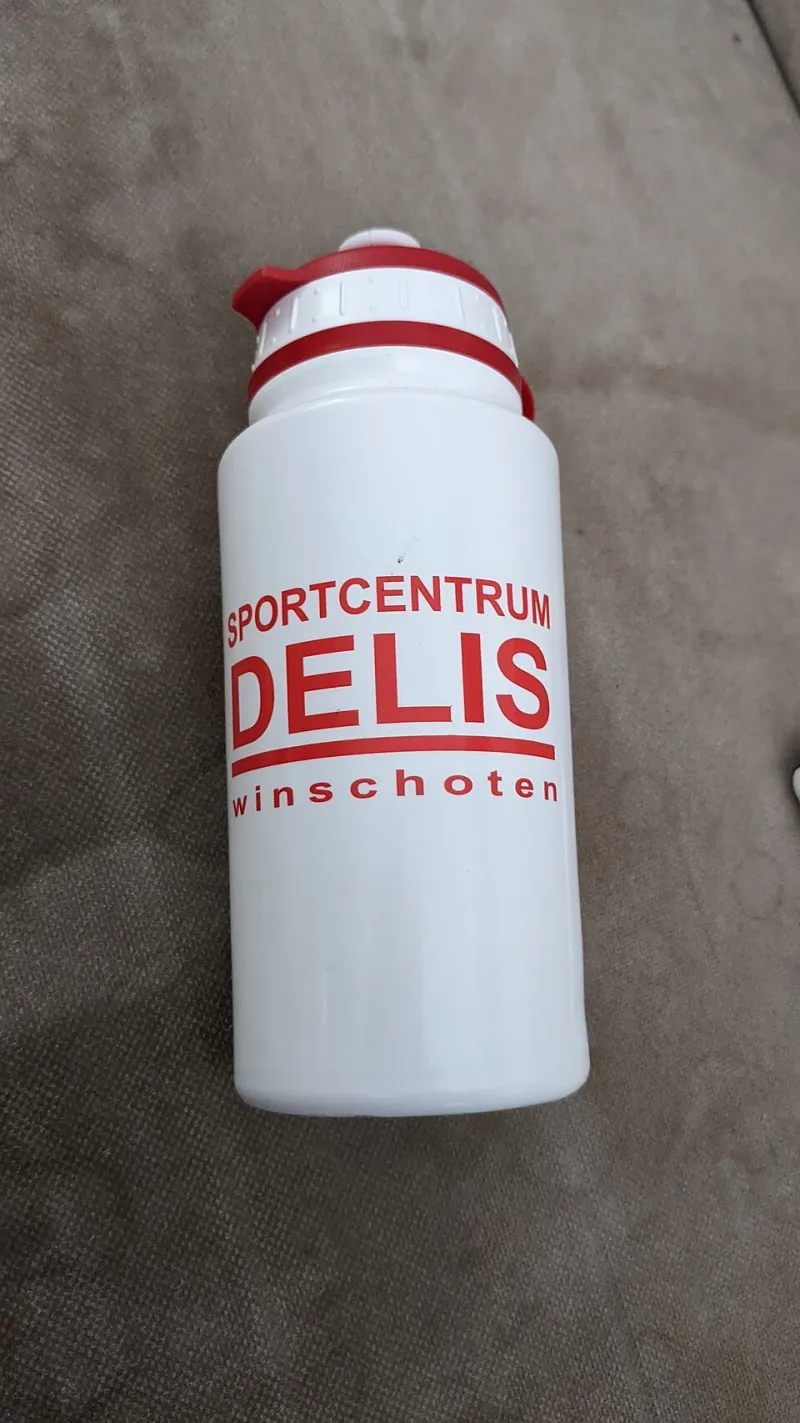
From the Gym Fountain to the Airport Spout: How Gross Is America's Water Bottle Refill Network, Really?

Photo: Senior Airman Crystal Housman, Public domain, via Wikimedia Commons
If you're like most Americans, your reusable water bottle touches more public surfaces in a week than your phone does. The gym fountain. The office water cooler. That airport refill station between gates B12 and C4. It all feels clean and virtuous — hydration, sustainability, good habits.
But how clean is that refill network, really? We dug into what microbiologists, water quality experts, and hygiene researchers have found about the places we drink from — and the answers range from "totally fine" to "maybe wash your bottle before your next sip."
The Gym Fountain: Convenient, but Handle With Care
Gym water fountains occupy a weird spot in the hygiene hierarchy. The water itself is usually municipal tap water — perfectly safe in most US cities. The issue is the fixture.
Fountain spouts and button handles get touched by hundreds of hands daily, often mid-workout, often right after someone handles dumbbells or a yoga mat. Studies of high-touch surfaces in fitness facilities consistently find elevated bacterial counts on fountain hardware compared to, say, doorknobs.
The smart play: Let the water run for a few seconds before you fill, aim your bottle so it doesn't touch the spout, and sanitize your hands after pressing the button. If your gym has upgraded to a bottle-filling station with a sensor, even better — no contact required, and most of those units have built-in filtration.
Office Water Coolers: The Filter You Forgot About
That office filtered cooler feels like a step up, and it often is — but filters are only as good as their maintenance. An overdue carbon filter can become a bacteria hotel, and a cooler that's never been sanitized can grow a biofilm inside the reservoir that no filter catches.
Questions worth asking your office manager: When was the filter last changed? Is the cooler on a service contract with scheduled cleanings? Bottled-water delivery coolers should be sanitized with every bottle swap; plumbed-in units need filter changes roughly every six months, depending on usage.
The smart play: If the cooler tastes funky or the filter change date is a mystery, fill from the kitchen tap instead. And if your office cooler has a hot-and-cold tap that coworkers touch constantly, that handle deserves the same skepticism as a gas station pump screen.
Airport and Public Refill Stations: Surprisingly Reassuring
Here's some good news: modern public bottle-filling stations — the kind popping up in airports, universities, and city parks — are among the cleaner options out there. Many are sensor-activated (no touching), most use certified filtration, and units in high-traffic facilities are serviced frequently.
The classic push-button drinking fountain is a different story. Older models can carry lead risks in older buildings, and the basin drain — where dirty water pools — is often the grimiest part of the whole unit. Never let your bottle rim touch or hover near the drain.
The smart play: Seek out the dedicated bottle-filling station over the old-school fountain. Apps and airport signage increasingly point you to them. If you're stuck with a traditional fountain, run the water briefly first and keep your bottle off the spout.
Your Bottle Is the Dirtier Half of This Equation
Here's the uncomfortable plot twist: the refill station probably isn't the problem. Your bottle is.
Studies sampling reusable bottles have found bacterial counts rivaling — and sometimes exceeding — pet bowls, largely because people go days or weeks between washes. Bottles with straws, flip-top lids, and rubber gaskets are the worst offenders, creating warm, moist crevices where bacteria thrive.
The honest washing schedule:
- Daily: Rinse with hot, soapy water, including the lid and any straw or mouthpiece. A bottle brush helps.
- Every few days: A deeper scrub, paying attention to gaskets and threads where grime hides.
- Weekly: A full sanitize — a run through the dishwasher (if the bottle is dishwasher-safe) or a soak in diluted white vinegar or a baking soda solution.
- Never: Skip washing for "just water." Water alone still grows biofilm, especially in a warm car or gym bag.
What Your Bottle Is Made Of Matters, Too
Refilling safely also means refilling into the right vessel:
- Stainless steel (18/8 food-grade): Durable, doesn't leach, and doesn't hold odors. The workhorse choice.
- Glass: Chemically inert and easy to clean, just breakable.
- Plastic (Tritan or polypropylene): Fine when BPA-free, but scratches over time, and those scratches harbor bacteria. Retire plastic bottles once they're cloudy or scratched up.
- Single-use PET bottles: Designed for one use. Refilling them repeatedly cracks the plastic and creates bacteria-friendly grooves. If you're reusing one, treat it as a short-term solution, not a lifestyle.
Also worth knowing: bottles labeled as insulated or "vacuum-sealed" keep water cold, which slows bacterial growth a bit compared to a lukewarm bottle — a small but real hygiene bonus.
The Bottom Line: Refill Freely, Wash Religiously
America's refill infrastructure — gym fountains, office coolers, airport stations — is mostly delivering safe, clean water. The real hygiene gap is at home, in the bottle itself. Fill up wherever it's convenient, favor touchless filling stations when you can find them, and give your bottle the daily scrub it's been quietly begging for.
Your hydration habit shouldn't come with a side of bacteria. Five minutes at the sink tonight takes care of that.