From the Kitchen Faucet to the $60 Smart Bottle: What Drinking More Water Actually Costs
Staying hydrated in America has become a marketplace with a thousand price points. You can spend nothing, or you can spend more on water in a month than some people spend on their phone bill. But which strategies actually deliver — and which are just expensive containers for the same H2O?
We ranked a dozen common approaches by real cost, ease of use, and honest health benefit.
The Free Tier
1. Tap water — Essentially free (Americans pay about $0.004 per gallon on average). Safe in the vast majority of municipal systems, and the EPA publishes water quality reports for your local utility if you want to check yours. Verdict: the undefeated champion.
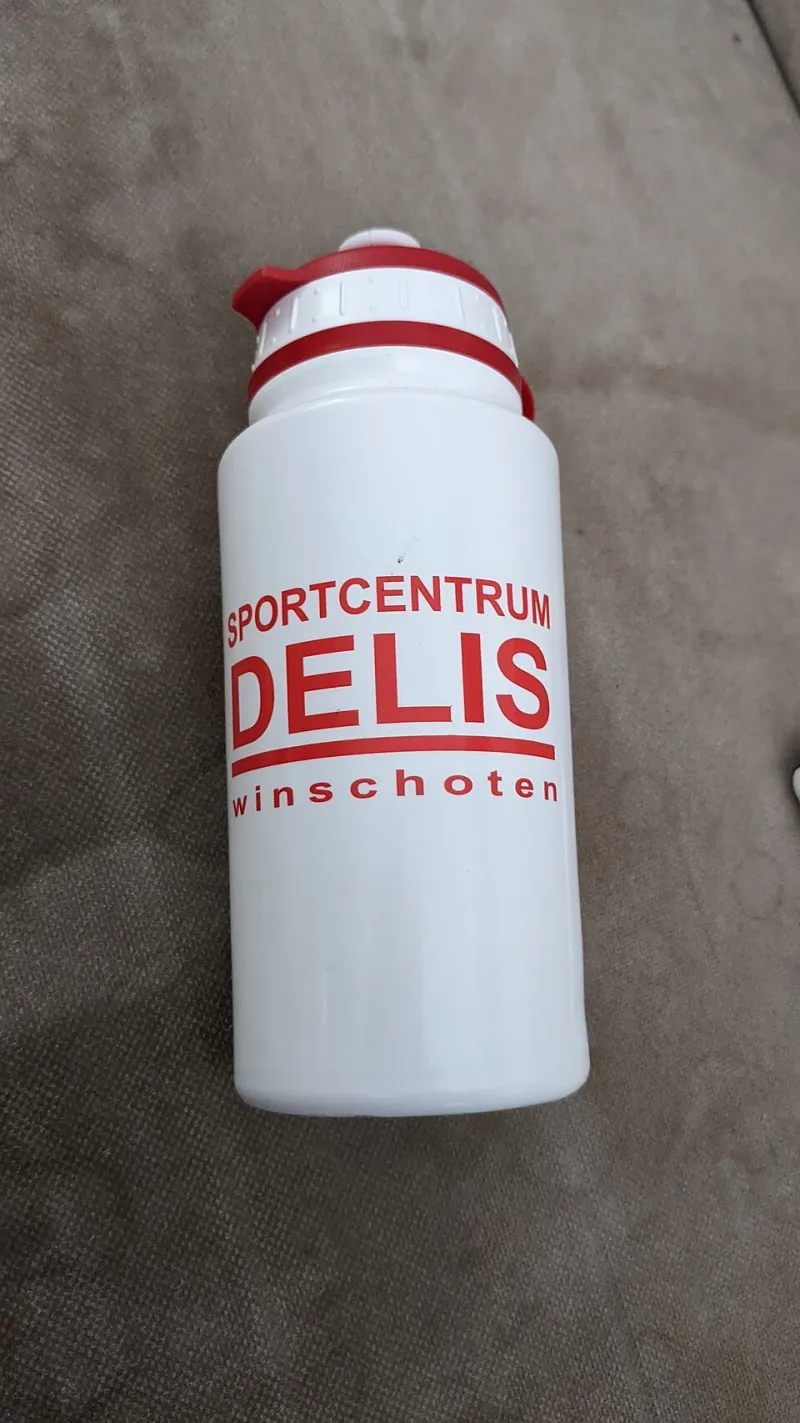
2. Carrying a bottle everywhere — A $15 reusable bottle pays for itself in days versus buying single-use. Behaviorally, visible water gets drunk. Verdict: highest return on investment in all of hydration.
3. Eating your water — Watermelon, cucumbers, oranges, soup. Roughly 20% of the average American's fluid intake already comes from food. Costs nothing extra if you're grocery shopping anyway. Verdict: underrated and delicious.
The Modest Upgrade Tier
4. Filter pitcher — Around $20–40 upfront plus filter replacements, working out to roughly $0.15–0.30 per gallon. Improves taste, which for many people is the actual barrier to drinking more. Verdict: worth it if your tap tastes like a swimming pool.
5. Faucet-mount or under-sink filter — Higher upfront cost, lower per-gallon cost long-term. Same logic as the pitcher, better economics. Verdict: best value for heavy water drinkers.
6. Infused water (fruit, mint, cucumber) — Pennies per glass if you use produce you'd buy anyway. The flavor nudge genuinely helps people who find plain water boring. Verdict: cheap, harmless, effective.
7. Reminder apps or phone timers — Free to $5/month. Evidence is mixed — some studies show modest intake increases, others show notification fatigue. Verdict: fine, but habits beat apps.
The Premium Tier
8. Electrolyte packets — $1–2 per serving. Here's the honest take: if you're sweating heavily for over an hour, they earn their price. For desk work? You're paying for flavored sodium. Verdict: a tool, not a habit.
9. Single-use bottled water — Runs $1–2 per gallon equivalent, roughly 200–500 times the cost of tap, for water that's often filtered municipal water anyway. Plus the environmental tab. Verdict: convenience tax. Sometimes worth it, usually not.
10. Premium bottled water (alkaline, 'skin,' glacier-sourced) — $2–5 per bottle with health claims ranging from thin to fictional. Your blood regulates its own pH quite well without help. Verdict: you're buying the bottle.
11. Subscription water delivery — $25–50/month for boxed or glass-bottled water. Makes sense for a handful of situations (poor local water quality, no car, big households). For most people, it's paying a premium for convenience. Verdict: niche, not necessary.
12. Smart bottles with tracking — $45–100. They glow, they sync, they remind. The technology isn't the problem; it's that a $15 bottle on your desk achieves the same visibility effect. Verdict: a gadget for people who love gadgets.
The Bottom Line by Budget
- The broke college student: Tap, a reusable bottle, and fruit in the pitcher. Done. You're out maybe $20 once.
- The busy professional: Add a filter pitcher and a good insulated bottle. Total: under $70, once.
- The wellness maximalist: If electrolyte packets and a smart bottle bring you joy and you use them, great — just know the health benefit over the free tier is marginal at best.
The uncomfortable truth the hydration industry doesn't advertise: the best strategy costs almost nothing, and the most expensive ones mostly sell you the feeling of doing something. Your body can't tell the difference between $0.004 water and $4 water. Your wallet definitely can.