A Year of Drinking Well: Month-by-Month Hydration Tips for Every American Season
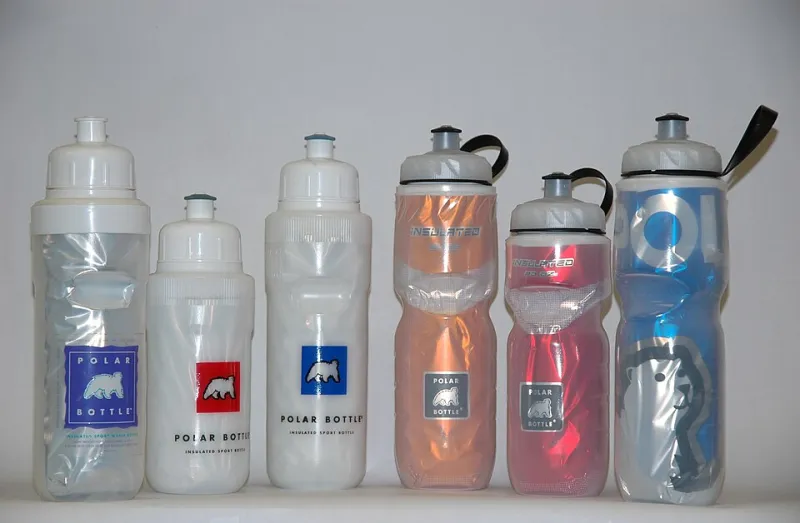
Photo: Tikboodle, CC BY-SA 3.0, via Wikimedia Commons
Most of us treat hydration like a fixed rule: eight glasses, every day, forever. But your body's fluid needs aren't static—they shift with the weather outside, the thermostat inside, and how your life moves through the year. A skier in February and a gardener in July are having two completely different conversations with their water bottles.
Here's a month-by-month playbook for the whole year, tuned to the rhythms of American seasons.
January & February: The Dry Heat Problem
Winter is the season people get wrong the most. You're not sweating through your shirt, so dehydration feels unlikely. But forced-air heating and baseboard radiators strip moisture from indoor air, and cold, dry air outside holds very little water vapor either. Add layers of clothing that make you sweat invisibly, and you've got a slow leak you never notice.
The telltale sign? Skin that feels tight, lips that chap, and that scratchy morning throat. If you're running a humidifier (worth doing—aim for 30–50% indoor humidity), you're helping your skin and airways, but you still need to drink. Keep a water bottle on your desk even when you don't feel thirsty, and consider warm fluids—broth, herbal tea—which count fully toward your intake and feel appropriate to the season. If you're shoveling snow or hitting the slopes, remember that winter workouts still produce sweat, just the evaporative kind you can't see under your gear.
March & April: The Transition Months
As the thaw begins, so does your activity. Spring cleaning, early hikes, the first rounds of golf—suddenly you're moving more without having adjusted your habits. This is the month to reestablish the habit of drinking before activity rather than after. If spring allergies have you reaching for antihistamines, note that some medications have mild drying effects; another reason to keep fluids consistent.
May & June: Humidity Enters the Chat
Here's a fact that surprises people: humid heat is harder to hydrate through than dry heat. When the air is already saturated with moisture, your sweat doesn't evaporate efficiently, so your body's cooling system backs up. You sweat more to get the same cooling effect, losing fluid and electrolytes faster.
As humidity climbs across the South, Midwest, and East Coast, start paying attention to electrolytes, not just water. If you're sweating through long outdoor sessions—little league games, runs, festivals—you're losing sodium along with fluid, and water alone won't replace it. This is where an electrolyte mix or even a salty snack alongside your water bottle earns its keep.
July & August: Peak Season, Peak Stakes
These are the months when hydration goes from a wellness nicety to a genuine safety issue. Heat waves across Arizona, Texas, and the Southeast regularly push temperatures past what's comfortable, and the CDC consistently flags summer as peak season for heat-related illness.
Practical moves: drink steadily throughout the day instead of chugging occasionally, since your body absorbs moderate amounts better. Weigh yourself before and after long outdoor activities—every pound lost is roughly a pint of fluid to replace. And if you're drinking alcohol at a backyard barbecue in 95-degree heat, know that you're stacking a diuretic on top of heavy sweating. Alternate with water.
September & October: The Sneaky Dehydration Season
Fall might be the most deceptive stretch of the year. Temperatures drop, you stop thinking about water, but you're probably still active—apple picking, football, raking leaves, weekend hikes through changing leaves. Meanwhile, the air is drying out again, especially if you've turned the furnace on for the first time by late October.
This is also peak air travel season for a lot of people. Cabin humidity on a commercial flight can drop below 20%—drier than most deserts. On any flight over two hours, bring an empty bottle through security and fill it at the gate. Skip the extra cocktail; alcohol plus recycled desert air is a rough combination.
November & December: Holiday Headwinds
The final stretch of the year brings a triple threat: indoor heating, holiday alcohol, and salty party food. Between the cheese boards, the eggnog, and the radiators running full blast, December is quietly one of the most dehydrating months of the year. Your defense is simple: a glass of water between every holiday drink, a big glass before bed after parties, and keeping soup—nature's hydration vehicle—in the regular dinner rotation.
Building a Year-Round System
The through-line across all twelve months is this: your thirst mechanism lags behind your actual needs, especially in cold weather and at altitude. So build habits that don't depend on feeling thirsty. A quality insulated bottle keeps water at a drinkable temperature in every season—ice-cold in July, room temperature in January. An electrolyte supplement earns its place from May through September, or any time you're sweating hard or flying.
Match your water intake to your life, not to a fixed number. Your body's needs in a steamy August will always be different from its needs in a dry February—and now you have a calendar that knows it too.