The Power-Out Winter Hydration Kit: What Earns Shelf Space and What's Just Panic in a Bottle
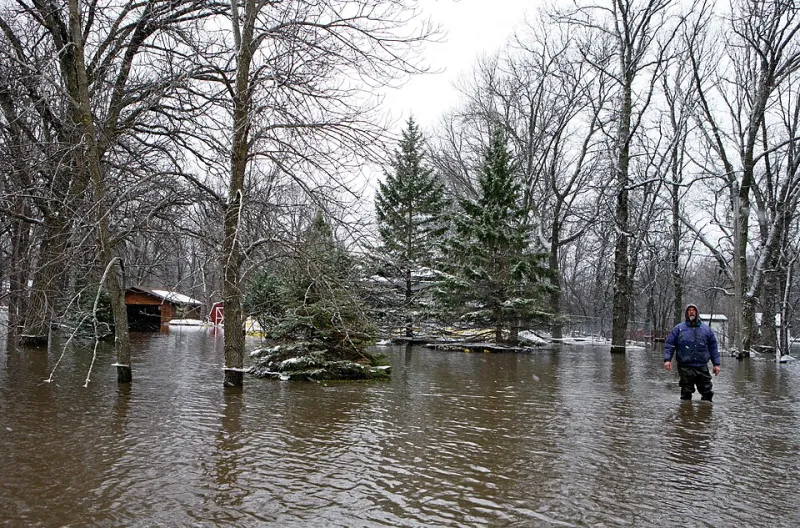
Photo: Andrea Booher, Public domain, via Wikimedia Commons
Most winter storm checklists read like a camping packing list with batteries taped to the side. Flashlights, blankets, a radio, maybe a deck of cards. Water shows up somewhere near the bottom, usually as a vague line item: bring water. But when the power goes out in January, hydration stops being a background habit and becomes a small daily logistics project. It affects how comfortable you feel, whether you can take medications on schedule, and how well your body handles the cold stress of a house that is slowly losing heat.
This is not a doomsday guide. It is a shelf-space guide. The goal is a kit you can actually store, rotate, and use without turning your guest room into a bunker.
Start With Water Math, Not Vibes
The common emergency guidance in the US is one gallon of water per person per day for drinking and basic sanitation. That is a useful starting point, not a magic number. A three-day supply is the minimum many agencies suggest; if you have room, a two-week supply is more forgiving, especially in rural areas or during ice storms that knock out roads along with power.
Do the math before you buy anything. Two adults for three days is six gallons, plus pets. If you have a baby, add formula water. If someone in the house takes medications that require a full glass, count that. If you are caring for an older neighbor, count them too. Write the number on a sticky note and put it inside the kit. A kit without a number is just a pile of bottles.
Store water indoors, not in the garage. A garage in Minnesota or upstate New York is basically a freezer with a door. If space is tight, use stackable rectangular containers, canned water, or shelf-stable pouches. Leave headspace in containers you fill yourself so they do not crack when they freeze.
Why Electrolytes Belong in a Cold-Weather Kit
Cold weather has a way of hiding sweat. You shovel the driveway in a parka, overheat under three layers, and never notice how much fluid you are losing because the air is dry and the sweat wicks away. Add a house heated by a fireplace or a space heater, and you have a recipe for low-grade dehydration that feels like crankiness, headache, or just a bad mood.
Electrolyte packets, tablets, or a small tub of powder earn their place in a winter kit because they are compact and they make plain water easier to drink when your thirst cues are dull. Look for products with a reasonable amount of sodium and potassium, not a candy-colored mix that is mostly sugar. A basic oral rehydration solution is also worth keeping for anyone who is sick, sweating through a fever, or has been working hard in cold-weather gear.
You do not need a cabinet full of sports drinks. A few electrolyte packets per person, rotated every year or two, are enough for most households. The point is optionality, not a hydration boutique.
Keep Your Supply From Turning Into a Block of Ice
A frozen water bottle is not a crisis, but it is an inconvenience you can plan around. Keep your main supply in an interior closet or basement corner that stays above freezing. If the outage stretches on and the house gets cold, move a day's worth of water into the room you are heating. Insulate bottles with a blanket or sleeping bag. Do not put water bottles directly against exterior walls.
If water does freeze, leave the container in a cool room to thaw gradually. Do not pour hot water on a plastic jug or put a glass bottle near a fire. And do not eat snow as a water source. It takes energy to melt, it is full of air, and it is not a practical substitute for stored water.
What to Skip When the Store Shelves Look Scary
Panic buying has a way of making ordinary products look essential. Here is what can stay on the shelf.
- Giant cases of alkaline water. It is still water. If you like the taste, fine, but it does not solve a storage problem better than standard bottled water.
- High-caffeine energy drinks. Caffeine is not the villain in normal amounts, but in an outage you want steady hydration, not a jittery blood-sugar roller coaster.
- Flavored detox waters and collagen waters. They are beverages, not emergency supplies. Check the sugar and sodium, and do not count them as your primary water storage.
- Anything in glass. A winter outage is not the time for a fragile bottle rolling around in a dark hallway.
- Smart bottles that need charging. A bottle that only works with an app is a paperweight when the power is out.
A Simple Kit Checklist
Store water for at least three days, ideally more. Add electrolyte packets, a manual can opener, any prescription medications, a written medication schedule, a battery-powered radio, extra batteries, and a thermometer for the room. Keep a small bottle by the bed and one in the kitchen so you are not rationing sips out of a giant jug in the dark.
Rotate the water once a year, check expiration dates on electrolyte packets, and replace anything that has been opened. The best winter hydration kit is not the most impressive one. It is the one you remember to check in November, before the first ice storm makes the decision for you.